




Grilled fish, Chappli Kabab win hearts in Kaghan Valley
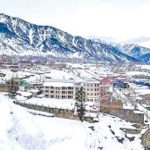
KAGHAN – Amid laughter, excitement and softly falling snow, 10-year-old Anaya Bibi could hardly contain her joy as she experienced snowfall in the picturesque Kaghan Valley for the first time —a dream she had carried since childhood. A Grade-V student of a private school in Peshawar, Anaya arrived in picturesque Kaghan with her grandfather just as snowfall, which began early Thursday morning, blanketed the valley in shimmering white. Dressed in a black overcoat, woollen cap and holding an umbrella in right hand, Anaya stood mesmerised by the scene unfolding before her against the snow-covered Malika Parbat hills. But the magic of the moment was made complete with a warm winter treat of freshly grilled trout fish enjoyed amid the cold breeze at Kaghan Bazaar eminating from Malika Perbath mountains covered by snow.
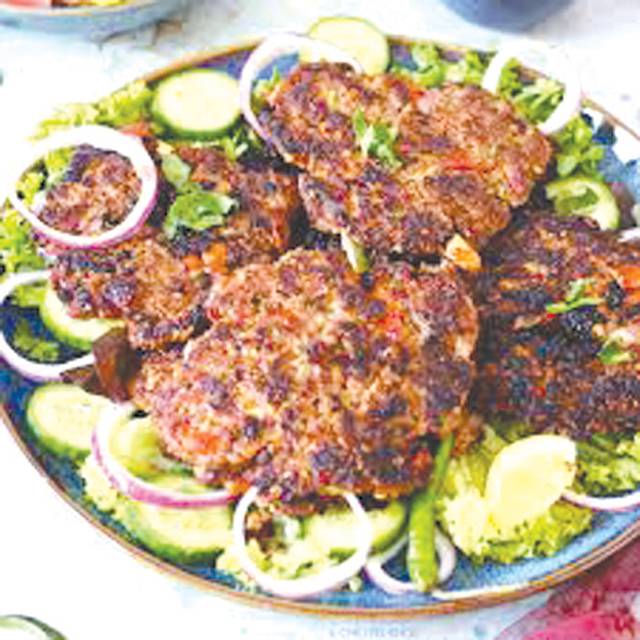
“Watching snowfall in Kaghan Valley was my childhood dream, and today my Baba Jan made it come true,” Anaya said with a broad smile, adjusting her black spectacles as snowflakes landed softly around her. She said that snowfall in Kaghan was heavier than other tourist destinations of Khyber Pakhtunkhwa, adding that grilled trout fish and chappli kabab “warm hearts as well as bodies” in such mesmerizing weather. Kaghan’s charm extends far beyond its breathtaking scenery. During winter, the valley transforms into a haven for food lovers, where sizzling chappli kababs and golden-fried trout become an inseparable part of the snowfall experience. On Thursday, eateries across Mansehra district especially in Naran and Kaghan were bustled with tourists following rainy weather forecasts issued by the Met Office. As rain and snow sprinkled over Kaghan, Naran and the famed Saiful Malook Lake, the aroma of spices and frying fish filled the crisp mountain air in these breathtaking regions of Pakistan. “After Kaghan, we plan to visit Saiful Malook Lake once the weather improves,” Anaya said, adding that Pakistan’s beautiful northern areas should be showcased on digital media to promote adventure tourism and attract foreign investment. Like Anaya, tourists and locals wandered through busy marketplaces, drawn toward food stalls proudly serving the River Kunhar’s freshest catch. Trout especially the prized rainbow and brown varieties has become the cornerstone of winter cuisine in these valleys. Alongside local species such as Mushka, Raho, Simon, Pomfret, Mahseer and even lobsters, trout plays a vital role in both local culture and the economy. “During winter, we receive a steady supply of trout from private fish farms across Kaghan and Naran valleys to meet the rising demand of people,” said Sajid Ali, a veteran fish vendor with over 15 years of experience in Mansehra. “Our simple recipe involves marinating the fish with spices, pomegranate seed powder and chilli sauces, then frying it to golden perfection. Served with chips, fresh salad and naan, it’s the perfect winter comfort meal during winter.” For many visitors, the taste of trout is deeply tied to their memories and came here again and again to refresh it amid serenity. Riaz Khan, a retired PST teacher, recalled childhood winters spent in Naran-Kaghan enjoying freshly caught brown trout during snowfall.
“I visit every year with my family to relive those moments and to introduce my son to this beloved tradition,” he said. Beyond its flavor, trout is also valued for its health benefits. Dr Malik Riaz, a child specialist at Pabbi Government Hospital, explained that fish strengthens immunity during harsh winters. “Fish is rich in protein, omega-3 fatty acids and essential vitamins that help prevent respiratory infections and joint problems common in cold weather,” he said. The snowfall breathed new life into the fish business across Hazara division, where trout is selling like hot cakes in snowy weather. This growing demand has led to a boom in trout farming in Hazara and Malakand divisions. According to Usman Ali, General Secretary of the Swat Trout Fish Farming Association, around 175 trout farms employ nearly 2,500 workers. “Trout farming is highly profitable if supported properly. Government assistance is crucial, especially after losses caused by floods and temperature fluctuations,” he emphasized. In response, the Khyber Pakhtunkhwa government has launched initiatives such as the Trout Village Project in Hazara and Malakand, establishing dozens of new farms through cost-sharing schemes. Zubair Ali, Director Fisheries Department said projects aimed at developing cold-water fisheries and reservoirs are also expected to significantly increase fish production in coming years. However, environmental challenges to fish farming remain in KP. Pollution from plastic waste and untreated hotel effluents in rivers Kunhar and Swat threatens the fragile aquatic ecosystem. Environmentalists and authorities stress the urgent need for sustainable waste management to protect these natural assets. Still, at the heart of Kaghan’s winter charm lies a simple pleasure of sharing warm food amid falling snow. Whether at a bustling bazaar stall or a cosy roadside restaurant, the taste of trout fish and chappli kabab continues to bring people together, celebrating not just local cuisine but also the heritage, hospitality and enduring beauty of Pakistan’s northern valleys.