


Studio BONES animator criticises online fandoms as creator Kei Urana leaves social media
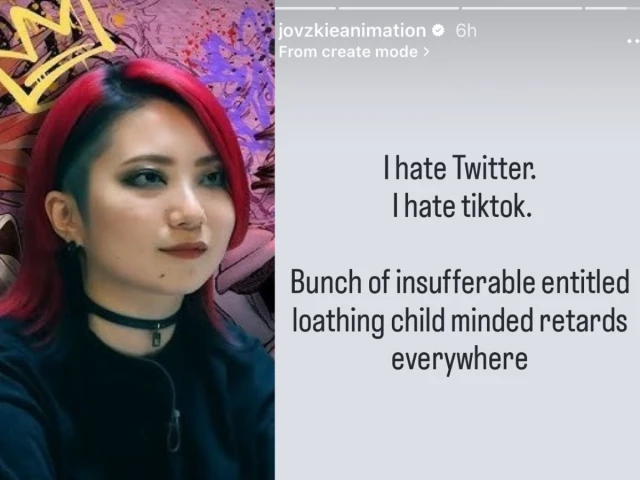
Studio BONES animator spoke out against harassment of creator Kei Urana and criticised toxic behaviour on social media
A Studio BONES animator has spoken out following manga creator Kei Urana’s decision to leave X, as discussion continues around online harassment and fandom behaviour linked to the Gachiakuta series.
Urana recently deleted her X account after a wave of criticism and controversy spread across social media, reportedly triggered by reactions to a fan-made video involving a Gachiakuta character.
The situation escalated as users debated the intent and interpretation of the content, with some fans defending it as harmless and others raising concerns over perceived insensitivity.
As discussion intensified, Urana was also subject to sustained online backlash, with reports indicating that she blocked several users amid the growing dispute.
Further context around her departure was shared in reports detailing how the situation developed, including criticism directed at her posts and wider debates within the fandom about previous portrayals in the manga.
Her decision to leave X followed increasing attention on the pressures creators face when directly engaging with large international audiences on social platforms.
In a translated statement shared online, a Studio BONES animator described frustration with what they called destructive online environments, stating that “The sad thing is that the true fans aren’t on Twitter; they live normal lives far from toxic social media.”
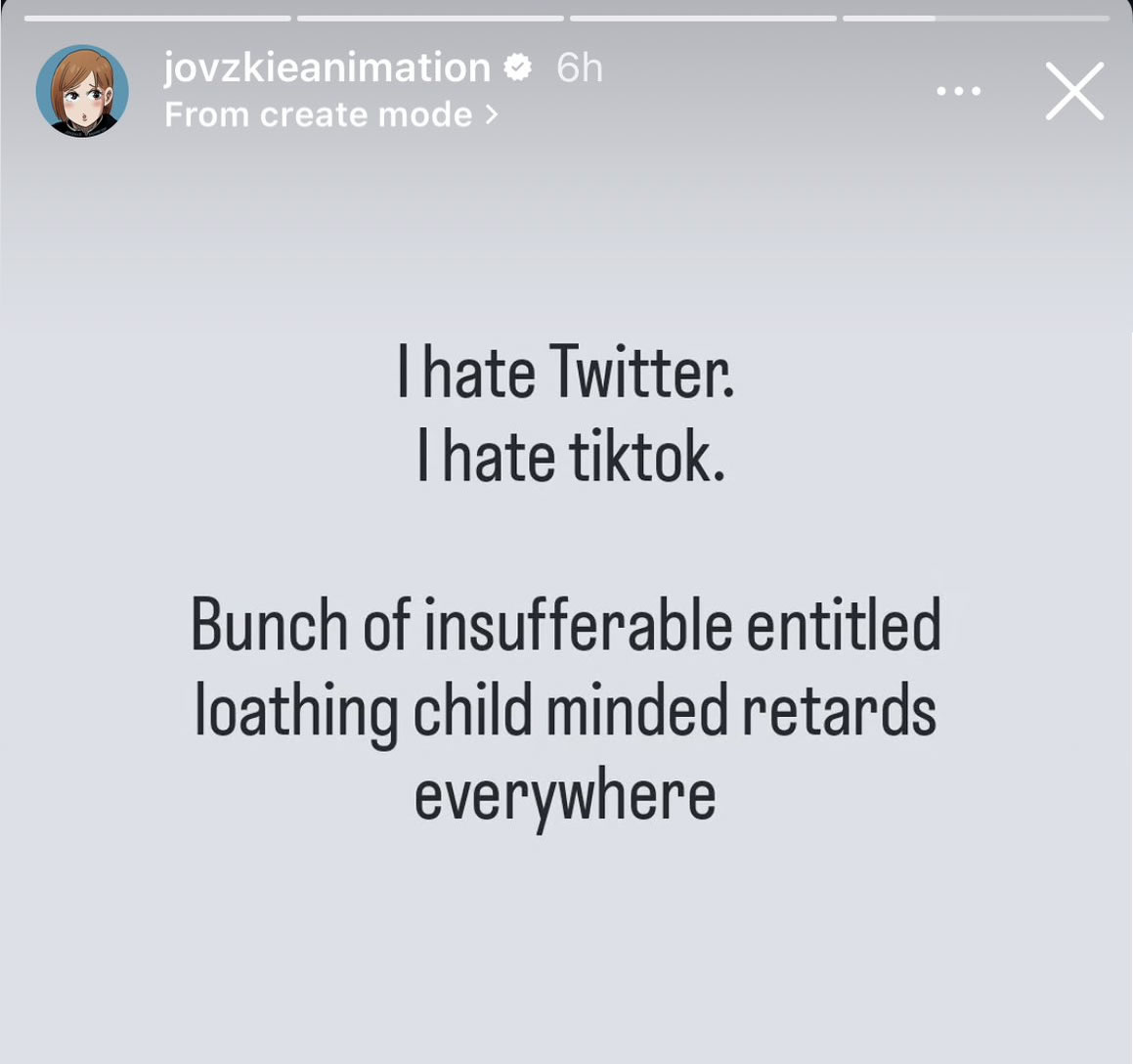
The animator also explained that the creator had faced sustained harassment during the controversy and expressed disapproval of social media platforms being dominated by what they described as immature behaviour. They added that they would also leave social media if it were not necessary for work.
Urana’s exit has prompted wider discussion among fans and industry observers about the relationship between creators and online communities.
Some users expressed concern over the loss of direct engagement, including behind-the-scenes updates, while others argued that reduced exposure to social media pressure may benefit creators’ wellbeing and productivity.