




South Korea’s second city sets its sights on becoming a global festival destination
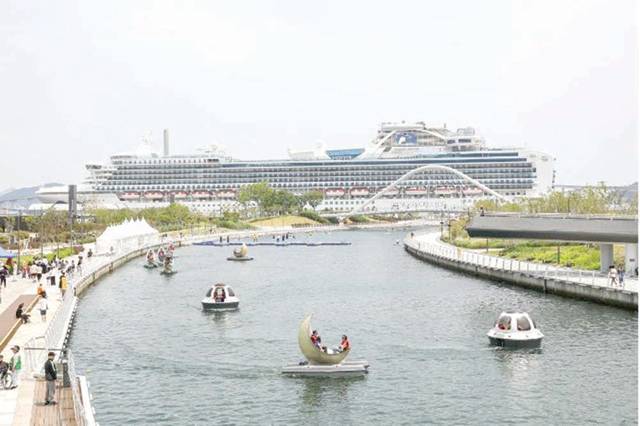
BUSAN – As South Korea’s second-largest city after Seoul, Busan brings together urban energy set against coastal landscapes. Known for its mountain-backed beaches, distinct neighborhoods, and port city heritage, the city offers a mix of food, nature, and city experiences in one destination. With millions of visitors each year, including a record 3.64 million in 2025, and a growing number of international connections, Busan continues to build its reputation as a gateway to Korea’s southeastern coast. From May to June 2026, the city comes alive with a calendar of festivals celebrating its culinary identity, maritime heritage, and dynamic music and cultural experiences. Busan’s identity is inseparable from its coastline, shaped by the sea and defined by its role as one of the world’s top ten busiest ports. Visitors can explore scenic coastal areas such as the popular Haeundae Beach, known for its long arc of sand that hosts major festivals and draws beachgoers throughout the year, as well as take in scenic ocean views aboard the Sky Capsules at Haeundae Blueline Park or discover the city’s maritime heritage through harbor cruises. Further inland, tucked into the side of a coastal mountain, the colorful terrace houses of Gamcheon Culture Village offer a different perspective, where art, history, and coastal views come together. This connection to the ocean is celebrated on a large scale during Busan Port Festival 2026, taking place from June 19–20.
Held across key waterfront locations, the festival marks the 150th anniversary of Busan Port with a program of fireworks, concerts, and marine activities. Visitors can enjoy everything from boat tours and water sports to street performances and interactive experiences, including a Jagalchi Cruise with views of landmarks around the port area, visits to a Coast Guard vessel, and model ship-building, making it one of the city’s most anticipated maritime celebrations.
Busan’s coastal location ensures access to some of Korea’s freshest seafood alongside a diverse range of local and international flavors. Travelers can wander through Jagalchi Fish Market, one of the largest seafood markets in the country, explore local specialties from street-side stalls along Gukje Market’s Food Street, or visit Bupyeong Kkangtong Market next door for a mix of street food and late-night bites. Local specialties such as milmyeon—a refreshing wheat noodle dish—and dwaeji gukbap—a hearty pork and rice soup—reflect Busan’s history as a port and refuge city, offering distinctive flavors that are rooted in place.
One of the more engaging ways to experience Busan’s culinary landscape is through Taxchelin, part of Busan Original Downtown Revitalization Festival 2026 from May 22–24. Inspired by the local knowledge of veteran taxi drivers, the festival introduces visitors to hidden culinary gems across the historic port-side downtown districts. Combining storytelling with gastronomy, Taxchelin invites travelers to explore authentic eateries and discover the flavors that have shaped Busan’s food culture. For visitors looking to explore further beyond the festival, an online Taxchelin Guidebook lists restaurants, attractions, and local stories throughout the downtown area.