

Why 2026 is the Year for Pakistan’s AI Ascent
The old playbook for tech in Pakistan is officially out of the window. For years, the narrative was about being a “back-office” powerhouse or a massive market for foreign apps. We were the people who helped others build their dreams. But as we move into 2026, that script has been flipped.
The rise of generative AI and decentralized computing has leveled the playing field in a way we have never seen before. The distance between an idea in Islamabad and a global product has shrunk to almost zero. This is the year we stop being the workforce for the world and start being the architects.
In previous tech waves, we were late to the party. By the time we adopted mobile payments or cloud computing, the standards were already set by companies abroad. AI is different. Because the technology is evolving so fast, no one has a permanent lead.
For a Pakistani developer, this is the ultimate opportunity. We are no longer just users of a platform; we are the ones who can fine-tune models to understand Urdu dialects, build logistics AI for our unique infrastructure, and create fintech solutions that actually work for the unbanked. 2026 is the year where “Made in Pakistan” shifts from textiles to intelligent code.
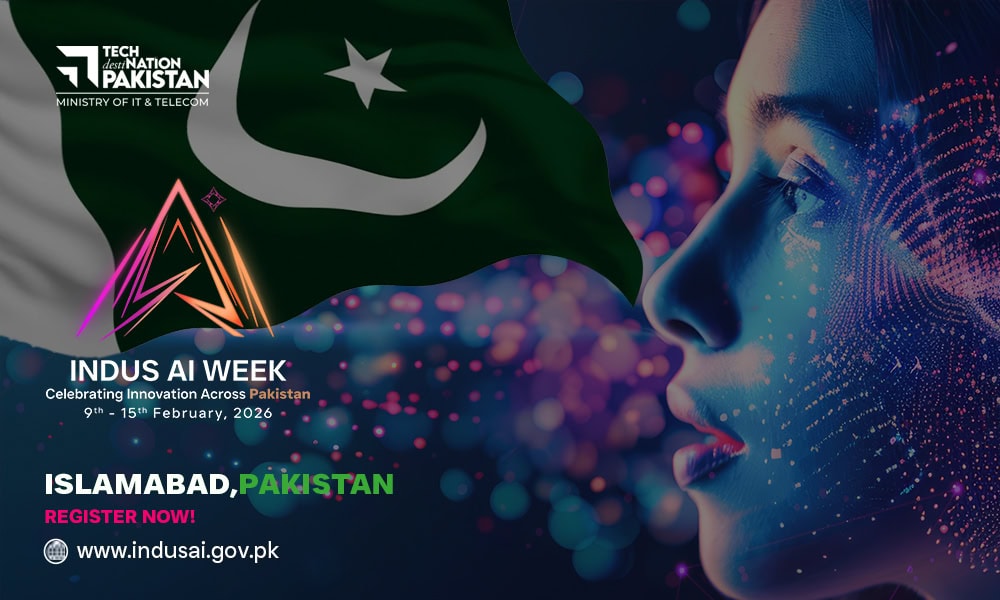
The momentum for this shift is peaking in 2026. Indus AI Week 2026, held at the Islamabad Sports Complex from February 9 to 15, is the physical manifestation of this new builder culture.
This wasn’t a place for theoretical talk. It was a massive, high-energy gathering designed for the people who were actually in the trenches. By bringing thousands of engineers and founders together in the capital, the event sparked the kind of collaborations that usually take years to form.
Being a builder in 2026 means more than just writing code. It means having the audacity to believe that the next breakthrough in AI can come from a lab in Islamabad, Lahore or a startup in Karachi. We have the talent and now we have the tools.
Indus AI Week is the starting line. The technology is ready, the infrastructure is falling into place, and the builders are finally stepping up. If you want to see what the next version of this country looks like, you need to be in Islamabad this February.