

The voice that became nation’s strength in 1965 War
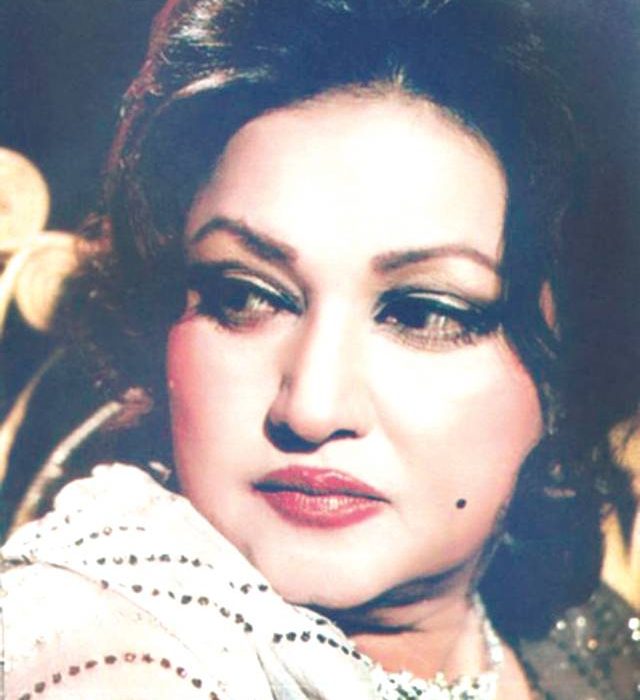
PESHAWAR – On the dark night of September 6, 1965, as the sounds of war reverberated along Pakistan’s eastern borders, another sound travelling across the country was the powerful, emotional voice of a woman who would turn music into a source of courage and motivation. She was Madam Noor Jehan, affectionately known as Malika-e-Tarannum (Melody Queen of Pakistan). She carried no rifle, wore no military uniform and stood on no battlefield. Yet, armed with nothing more than a microphone and a voice capable of stirring the deepest emotions, Noor Jehan became one of the most memorable voices of the 1965 war. Her patriotic songs travelled through radio sets in cities and villages, reached soldiers in mess halls and trenches, and brought comfort to families anxiously awaiting news from the front war zones. For a nation facing the uncertainty of war, her voice became a reminder that they were not alone but entire stood behind them. “The history of the 1965 war would remain incomplete without mentioning the contribution of Melody Queen Noor Jehan,” said Sobedar Retird Taimar Shah who participated in 65 war. “Her songs infused a new spirit in our troops and gave courage to an under-attacked nation,” he said. At a time when the country needed symbols of unity and resilience, legandry Noor Jehan stepped beyond the conventional role of an entertainer. Her songs became deeply intertwined with the emotions of the nation in 65 war. Among her most remembered patriotic renditions were Ae Watan Ke Sajiley Jawano, Ae Puttar Hattan Te Nahi Wikde and Rah-e-Haq Ke Shaheedo that motivated troops. She infused a wave of motvation in the under attacked nation. “For many listeners, these were far more than songs. They sounded like a mother’s prayer for her son, a sister’s tribute to a brother at the front, and a nation’s message to its defenders.” As the songs poured from radios, they transformed ordinary homes into spaces of shared hope and determination. Families gathered around radio sets, while soldiers heard familiar words of encouragement amid the uncertainty of the battlefield. The power of legendary Noor Jehan’s voice lay not simply in its melody, but in the emotion she invested in every word, said Ghazal mestero and pride of performance Khyal Muhammad. In an extraordinary expression of solidarity, she visited soldiers near the frontlines and performed for them. Her presence offered something that weapons could not as the reassurance that the nation behind them remembered their sacrifice. “She was a brave daughter of the soil,” said Khyal Muhammad, adding through her songs, she showed the enemy that our nation is equipped not just with arms, but with unmatched spirit and unshakable faith,” he added. Noor Jehan’s contribution soon acquired recognition beyond the emotional response of ordinary Pakistanis. On March 23, 1966, Field Marshal President Ayub Khan famously declared that “half the credit for the victory of 1965 goes to Madam Noor Jehan.” The statement reflected the extraordinary place her wartime songs had secured in the national imagination. Long before she became the voice of a nation at war, Noor Jehan had begun her journey as a child performer. Born Allah Rakhi Wasai on September 21, 1926 in Kasur, Punjab, she was introduced to music at an early age by her parents, who were professional musicians. Her first public performance came when she was only five years old. From those early beginnings, she went on to become one of the most celebrated artists of the subcontinent, establishing herself in both pre-Partition India and, later, Pakistan. Her artistic journey crossed musical boundaries. She sang ghazals, folk songs, film songs and national anthems in Urdu, Punjabi and Sindhi.
Over a career spanning decades, she is credited with recording more than 10,000 songs. Her voice became so closely associated with Pakistani cinema that her participation in a film was often regarded as a guarantee of musical success, said pride of performance actor Javed Babar.