




Europe is building a network of railway mega tunnels
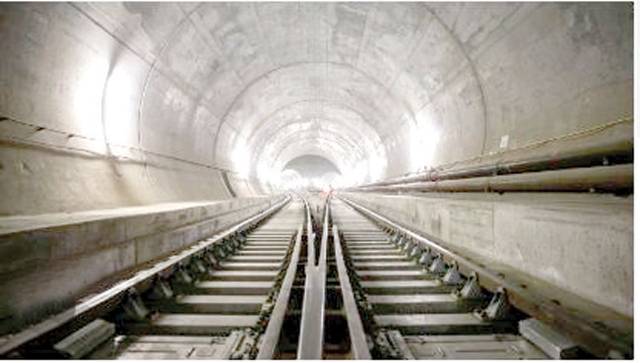
BERLIN – Europe wants to lure more people away from short-haul airlines and onto high-speed trains between its major cities. And as more and more travelers discover the joys of long-distance rail, there’s everything to play for. But there’s one big problem: geography. Europe is a continent with mountain ranges slicing through it and seas severing countries from each other. And unlike planes, trains can’t simply skim over it all. That’s why some of the world’s biggest and most daring construction projects are currently cutting, drilling and blasting their way through mountains that were once traversed only by the brave or the foolhardy. The next decade will see the world’s longest rail tunnels completed in Austria, France and Italy, with the aim of revolutionizing rail connectivity between northern Europe and the industrial hubs of northern Italy. Billions of dollars are being invested in record-breaking tunnels and new approach lines to raise speeds and increase freight capacity on long-established corridors through the Alps. Meanwhile, Denmark has long been tackling the seas, transforming rail and road travel with a chain of tunnels, artificial islands and soaring bridges linking its two biggest islands with mainland Europe and Sweden. In the early 2030s it will complete another road-rail link under the Baltic Sea to Germany, drastically shortening journey times between Copenhagen, Hamburg and Berlin. And an even more ambitious plan to link Helsinki with Tallinn in Estonia and the other Baltic States via a 50-mile tunnel under the Gulf of Finland has also been proposed. That’s the plan, at least. But creating the world’s longest rail tunnels is technically challenging and ferociously expensive, and Europe’s recent record of delivery is best described as “patchy.” To no one’s surprise, construction costs have ballooned and delays are measured in years, or even decades, which means that the European Union will not meet its deadline of completing the core Trans-European Transport Network (TEN-T) — the ambitious project to upgrade 10,850 miles of rail corridors across the continent by 2030, linking major cities, regions and ports. In January, the European Court of Auditors reported that the costs of delivering eight major TEN-T projects have increased by an average of 82% over their initial estimates. The average delay across five projects is 17 years. However, it’s not all doom and gloom. EU member states see infrastructure investment as a key stimulus for economic prosperity and sustainable mobility. And these new mega-tunnels will revolutionize international travel within the next decade, knitting together regions and countries that have until now been separated by mountains and seas. “Mega-projects like the Brenner Base Tunnel, Lyon–Turin and the Fehmarn Belt can be game-changers for European rail,” says Nick Brooks, secretary general of rail operator lobby group ALLRAIL. Here are some of the most exciting projects underway. For centuries the Alps have been a natural border separating northern and southern Europe. The high mountains were a land of mythical beasts and potentially lethal weather — a place to be feared and, if possible, avoided. From the 18th century, wealthy “Grand Tourists” from northern Europe hired sedan chairs and local guides to negotiate the treacherous Alpine passes on their way to Italy. Gradually the trails became roads — but they were still dangerous and often closed by snow for much of the year. In the late 1800s and early 1900s, the first generation of Alpine rail tunnels pushed the limits of civil engineering and rail technology to create the first all-weather routes through the mountains. To keep the tunnels as short as possible — although they were still among the world’s longest for many decades — these early links were still at relatively high altitudes, requiring long, steep approach climbs. To gain height, armies of workers drilled and blasted their way through hostile terrain using every trick at their disposal. Even today, their tracks weave through the mountains, hug contours and leap across valleys on spectacular bridges, making them tourist attractions in their own right.