

LAAM Fashion Week Day 3 brings craft, contemporary retail and designer fashion to runway
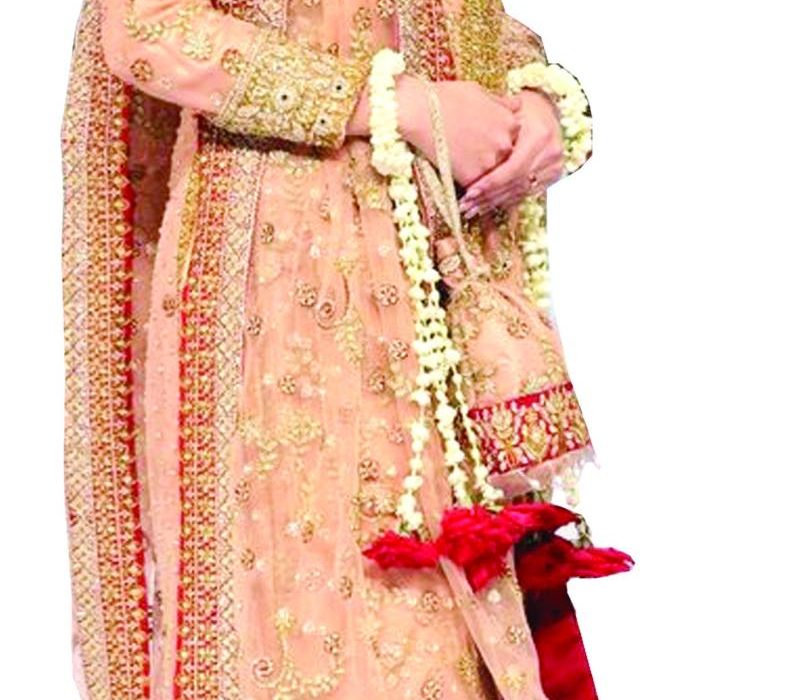
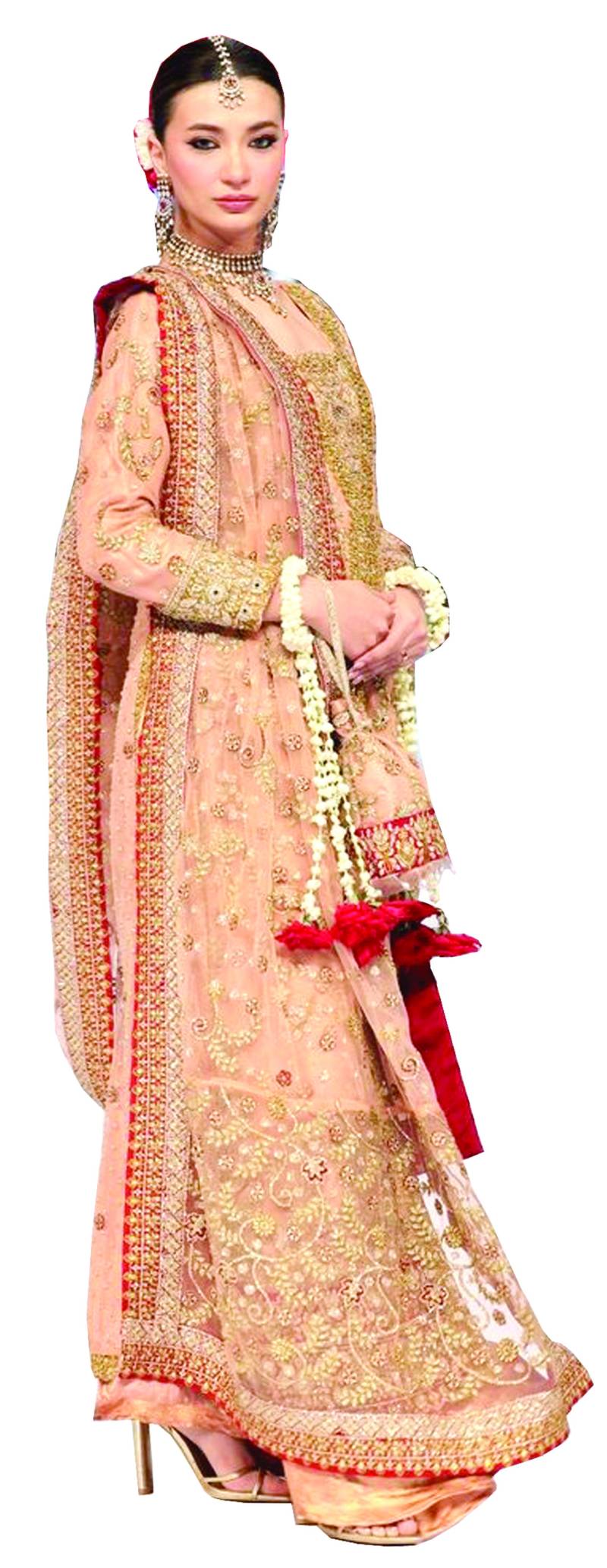
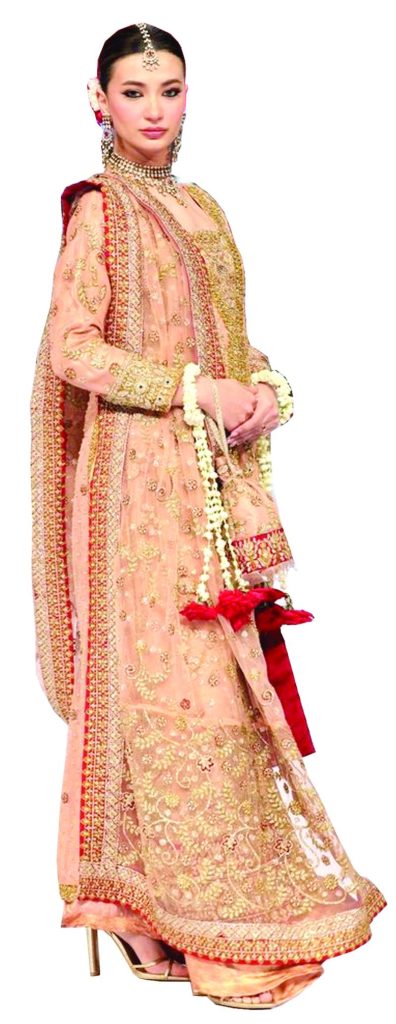
LAHORE – LAAM Fashion Week (LFW) continued its second edition in Lahore on Sunday, with Day 3 bringing together retail-ready fashion businesses, contemporary high-street labels and independent designer showcases across three distinct runway presentations. Co-created by LAAM and Design651, LAAM Fashion Week continues its runway-to-e-tail model, bringing together the breadth of Pakistan’s fashion ecosystem while connecting physical runway showcases with digital discovery, access and commerce. Day 3 opened with the LFW Retail Runway, featuring MISL, Abaan Zohan, Agha Jaan and Malhaar. This was followed by LFW Edit, bringing together U&I by Umer Imrana, Project 1959, Sadhbarg and Aramis Haijaan, before the evening concluded with a Designer Showcase featuring Mo by Mohsin Tawasuli, Souchaj by Mehak Junaid, Rici Melion and Fahad Hussayn Print Museum. In keeping with LFW’s digital-first approach, Season 2 is being livestreamed through the LAAM App and LAAM Fashion Week website, with ARY Plus, the Official OTT Partner, also livestreaming the runway to audiences beyond the venue. Day 3 opened with the LFW Retail Runway, continuing LFW’s work with manufacturing-led and retail-ready fashion businesses and creating a platform through which established production capability can be translated into stronger consumer-facing fashion identities. MISL presented Shaam-e-Sehar, a collection inspired by the serene beauty of sunset and the quiet golden hour between day and night. Soft, warm tones were paired with richer, deeper accents, reflecting the gradual movement of the sky from light into shadow. Flowing silhouettes, delicate layering and refined detailing created a sense of calm and movement throughout the collection. Rooted in understated elegance and timeless craftsmanship, Shaam-e-Sehar approached the transition between evening and night as a metaphor for endings giving way to new beginnings. Abaan Zohan brought festive dressing to the LFW Retail Runway through a collection rooted in traditional occasion wear and rich surface craftsmanship. Gota and zari borders appeared across a vibrant palette of fuchsia, emerald and maroon, balanced by softer shades of ivory, mauve and marigold. Classic silhouettes and flowing dupattas celebrated the enduring appeal of Pakistani festive wear, bringing traditional craftsmanship into a contemporary runway setting while retaining the familiarity and elegance associated with formal South Asian dressing. Agha Jaan presented a collection conceived as a homage to the grandeur of Pakistani ceremonial heritage, bringing classic silhouettes together with modern grace. Radiant zari embroidery formed the heart of the collection, with intricate metallic threads catching the light across richly worked surfaces. Deep jewel tones including maroon and emerald green were balanced with contemporary hues, creating a palette designed around celebration and occasion. The collection combined the weight and richness of heritage textiles with precise tailoring, presenting festive dressing as an experience rooted in tradition, confidence and craftsmanship. Malhaar presented Resurgence, a collection exploring the relationship between South Asian couture heritage and contemporary femininity. Intricate zari, zardozi and hand-worked sequins brought centuries-old craft traditions into focus, while classic silhouettes including sweeping pishwas, voluminous shararas and regal ghagras were reinterpreted with a modern sense of grace. Through its combination of traditional handwork and evolving silhouettes, Resurgence positioned heritage not simply as a reference to the past, but as a source of strength and continuity for the contemporary woman. The second presentation of Day 3 brought LFW Edit to the runway, spotlighting contemporary and high-street fashion businesses and giving established retail identities a more editorial Fashion Week context. Sculpted headpieces and heirloom jewellery complemented hand-drawn florals and toile-inspired prints, which appeared across draped saris, structured jackets and fluid separates. Aramis Haijaan closed the LFW Edit with a maximalist exploration of pattern, patchwork and personal expression. Vintage-inspired prints, reworked textiles and clashing colours came together across sculpted tailoring and free-spirited silhouettes, creating an intentionally eclectic visual language.
Mo by Mohsin Tawasuli presented a collection conceived as a quiet dialogue between past and present, where modern silhouettes met the enduring language of heritage. Inspired by museum artefacts and heritage sites, the collection translated history into wearable form through gentle contours, thoughtful detailing and fluid draping. Softness and structure appeared in balance throughout, with flowing fabrics and precise tailoring reflecting femininity as a form of strength shaped through grace. Souchaj by Mehak Junaid presented An Ode to Old-World Charm, returning to an era when dressing was treated as an art and personal presence carried its own narrative.
Rooted in the grandeur, romance and quiet allure of a bygone age, the collection explored a vision of femininity that felt graceful, assured and cinematic.
Rich textures, graceful forms and intricate craftsmanship brought that sense of romance into the present, creating pieces that felt nostalgic without becoming costume.
Sharp tuxedos, sculpted shawl lapels and opulent velvet formed the foundation of the collection, punctuated by red roses and refined detailing.
The collection brought a cinematic quality to classic menswear, balancing polished tailoring with contemporary elegance and presenting formal dressing through a confident, sharply defined visual language.