
On Musharraf Ali Farooqi’s The Story of a Widow
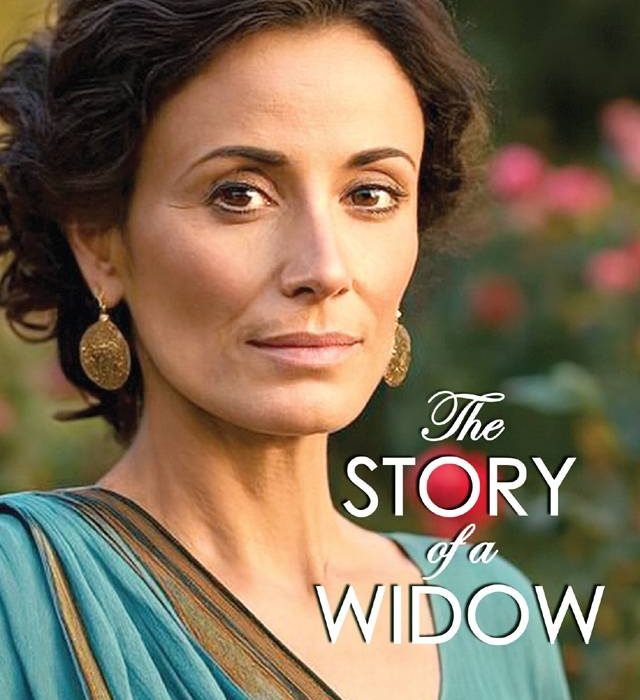
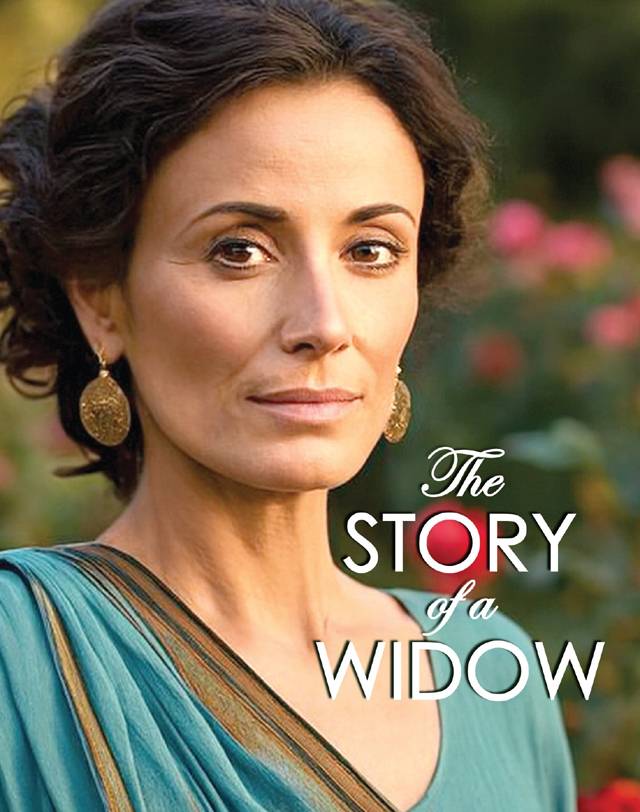
In much of South Asian society, grief has strange rules. A widow who remarries is often seen as improper, even shameful. A widower, on the other hand, is expected to remarry sooner or later. Musharraf Ali Farooqi’s The Story of a Widow doesn’t point this out directly. Instead, it quietly takes this double standard apart, scene by scene, through the story of Mona Ahmad, a fifty-year-old widow in Karachi who slowly realizes, after thirty years of marriage, that she is allowed to want things for herself. The story starts small. Mona’s husband, Akbar Ahmad, was careful with money and distant with feelings. He dies suddenly of a stroke. After the forty days of mourning end, Mona finds herself, for the first time, in charge of her own money, her own time, and her own opinions. Into this new life comes Salamat Ali, a tenant living at her neighbour’s house. His attention eventually leads to a marriage proposal, one that shocks Mona’s daughters and brings her whole family together to “protect her honour” from her own happiness. What makes this novel more than a simple story about a woman finding freedom is that Farooqi doesn’t make it easy for her. Mona’s independence is real, but it’s also watched — literally. A large portrait of her dead husband hangs in the house, and in her mind, its expression seems to change as the story goes on. Early on, it looks sad and long-suffering. By the end, it looks almost smug, as if Akbar is still judging her choices from beyond the grave. It’s a simple but powerful image. Mona may have outlived her husband, but she hasn’t outlived his judgment, and the novel is honest about how much of her hesitation comes from guilt, not just social pressure. Farooqi is also careful not to make Salamat Ali the hero of Mona’s story. He is not there to save her; he’s simply the reason she starts noticing what she has been denying herself for years. What she really gains has little to do with romance. It’s about the small, unglamorous parts of independence: control over her own money, the freedom to make a decision without asking permission from ten relatives, the right to have an opinion and say it out loud. The real question in the novel isn’t whether Mona remarries. It’s whether she’s even allowed to consider it on her own terms. Just as interesting is how the novel shows women policing other women. It’s not only the older, more traditional relatives who object to Mona’s proposal, but it’s her own daughters, her sister, and the aunties who dress up their disapproval as “concern.” This isn’t a simple story of one woman fighting a patriarchal system. It’s a woman up against a whole social structure, one that many women, including those who love her, help keep in place. This realism isn’t just a literary trick; I have seen it firsthand. I know a woman who lost her husband in a tragedy when she was around forty. She is close to Mona’s age now, and over the last ten years, I have heard her talk about many of the same things Mona goes through: whether to marry again, what her children would think, what her mother would think, and the men who approached her assuming that a widow must be desperate or easy. Reading the novel, I recognised her voice in Mona’s hesitation. That is why the book never feels like a fantasy with a neat happy ending. Farooqi seems to understand what many widows actually carry, not a dramatic tragedy solved by a second love, but a long, quiet negotiation with a life that keeps asking her to explain herself. None of this would work if the writing tried too hard to make its point. It doesn’t. Farooqi writes in simple, unhurried, almost conversational language. Even the chapter titles are plain — “The Widow,” “The Letter.” This simple style lets the novel’s ideas about gender and freedom come through small, everyday moments: a portrait’s changing expression, a walk in the park, an unwanted family visit.