

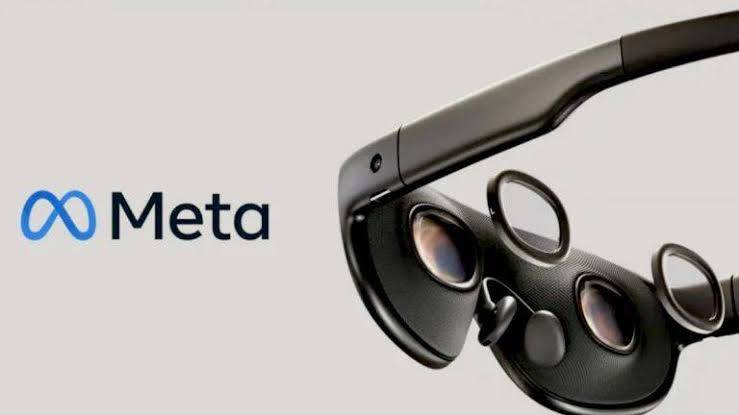


Meta set to unveil camera-free smart glasses amid privacy concerns
Meta Platforms is expected to unveil a new range of smart glasses at its annual Connect conference on Wednesday, including a camera-free model, as privacy concerns mount over artificial intelligence-powered devices capable of recording people without their consent.
The social media giant has emerged as an early leader in the AI wearables market, with sales of smart glasses developed with eyewear group EssilorLuxottica exceeding seven million units last year. Its main competitors in the segment include Chinese companies such as RayNeo and Xiaomi.
However, the growing popularity of camera-equipped smart glasses has prompted concerns over covert recording. Some restaurants, pubs and theatres in Britain have restricted their use, while similar privacy concerns have emerged elsewhere.
Meta is also facing legal scrutiny over the devices, including a proposed class-action lawsuit in California alleging that the company misled users about privacy protections. The lawsuit alleges that human annotators involved in training Meta’s AI viewed and labelled footage containing private moments after recordings were uploaded to the company’s servers.
Meta contests the allegations and plans to defend itself.
According to reports, the company could unveil camera-free smart glasses, internally known as “Luna”, in two styles — Clubmaster and Burbank. The devices are expected to retain microphones and speakers for voice interaction with Meta’s AI services while dispensing with cameras.
Meta is also expected to introduce an updated version of its camera-equipped Ray-Ban smart glasses and could preview a thinner and lighter pair of augmented-reality glasses, reportedly code-named Phoenix.
The anticipated Phoenix unveiling comes days after Snap announced new partnerships and software details for its $2,195 Specs augmented-reality glasses, which are due to launch later this year.
Analysts, however, say removing cameras may not fully address privacy concerns because camera-free glasses can still collect audio through built-in microphones.
“Microphones and audio collection could trigger similar concerns, although likely to a lesser degree,” said Linda Sui, founder of market research firm Smart Analytics Global.
She also said removing cameras from glasses without a heads-up display could make it more difficult for Meta to differentiate the product from devices such as Bluetooth earbuds.
The absence of a camera could also affect consumer demand, as taking photographs and recording videos are among the most widely used features of existing smart glasses. Meta, however, is reportedly seeking to position the camera-free model as an alternative for consumers interested in AI-powered wearables but concerned about privacy.