




Miracle meal: how to make curry and parathas with moringa
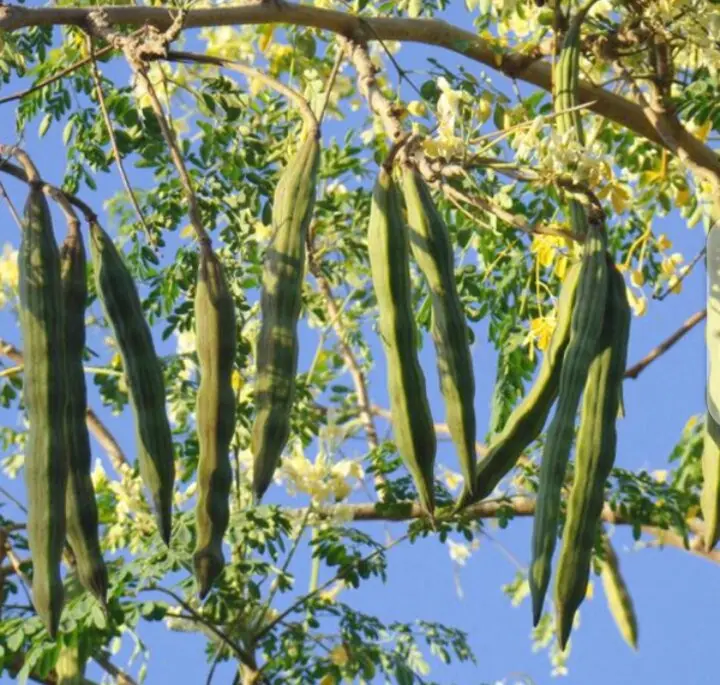
The moringa tree grows quickly, even in hot and dry climates. Known as a ‘miracle tree’, it can grow quite tall, providing umbrella-like shade, with fragrant, creamy white flowers and long seed pods called drumsticks.
The tree is packed with nutrients. Nearly every part of the moringa tree is edible. Its leaves and pods are known sources of vitamins A and C, along with calcium, iron and protein. They are also known to lower inflammation and boost immunity.
These days it is common to find one or half-kilogramme packets of moringa powder, which is only dried and crushed moringa leaves, on supermarket shelves. The powder can be mixed in water, juice or milk, or added to your breakfast cereal and smoothies. Moringa capsules filled with the same powder are also available over the counter at chemists and pharmacies for those who may not like the taste of the raw powder.
Surprisingly, the taste changes when you use moringa in recipes.
Power-packed paratha
Who says ‘PPP’ stands only for the Pakistan Peoples Party or Purchasing Power Parity? It also stands for our ‘Power-Packed Paratha’, full of antioxidants, calcium and iron, which is made using moringa leaves.
Forget the smoothie. Moringa’s fresh leaves and drumsticks make for a power-packed paratha and a rich, nutty curry
This paratha recently found much popularity in neighbouring India, when India’s prime minister shared his fondness for it. Moringa tree leaves and drumsticks are easily available from greengrocers in India. Out here, though, you can simply go to the nearest moringa tree, as there are several in every neighbourhood. During the monsoon season, it sprouts soft, fresh leaves that are ideal for the paratha.
Separate the small leaves from the petioles and leaflets, before rinsing and straining. You’ll need around a cup of the leaves.
In a large bowl, mix one cup of wheat flour and one-fourth cup of besan [gram flour]. Add salt to taste, followed by half teaspoon of turmeric powder, half teaspoon of red chilli powder, half teaspoon of crushed ajwain [carom seeds], half teaspoon of crushed ginger and garlic paste, half teaspoon of crushed green chillies (optional) and one cup of moringa leaves, along with a tablespoon of ghee or cooking oil and enough water to knead the mix into a soft dough.
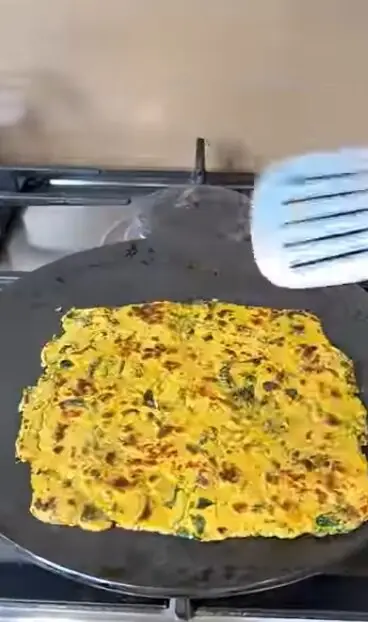
Divide the dough into four parts and shape into round balls. Roll each ball out into a paratha and cook on a moderately hot griddle, while drizzling some ghee or oil on each side.
Drumstick curry
While plucking the leaves from that moringa tree, you may also break a few drumsticks to cook in a curry.
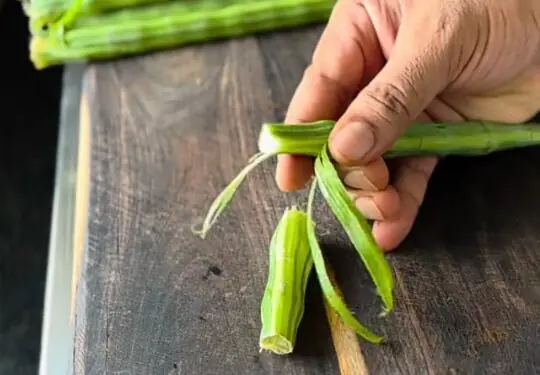
Peeling the drumsticks means making cuts into them and pulling out the outer thread-like fibres. Ideally, cut the drumsticks into three-inch pieces, rinse them and keep them aside.
Take half a cup each of peanuts, coconut flakes and white sesame seeds, and roast them in a pan or wok with a teaspoon of oil on low heat for two minutes. Then, let it cool before crushing in a mixer to make a fine powder.
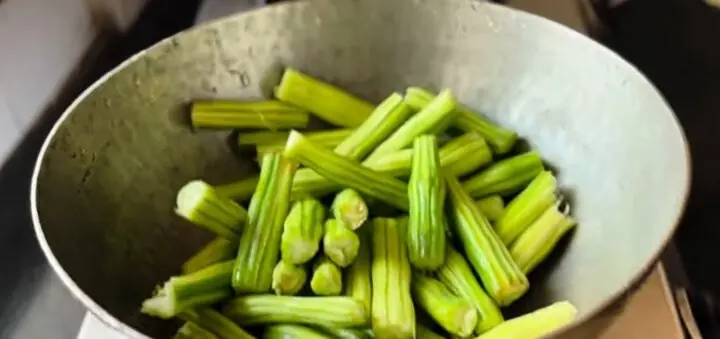
Use the same pan or wok to cook the drumsticks. Pour in half a cup of ghee or cooking oil, add half a teaspoon of white cumin seeds, then add two medium-sized chopped onions and fry until golden. Add a teaspoon of ginger and garlic paste and stir for 30 seconds to a minute. Add the drumsticks with a teaspoon of turmeric powder and salt to taste. Mix well, cover and leave on low heat for 10 minutes.
Remove the lid and add three or four medium-sized chopped tomatoes with one teaspoon of red chilli powder and one-fourth teaspoon of garam masala powder. Cover again and leave on low heat for an additional five minutes until the tomatoes soften.
To this, add the peanut, coconut and sesame seed powder before pouring in two cups of water. Leave it to cook until the curry reaches the consistency you like. Garnish with freshly chopped coriander leaves.
Originally published in Dawn, EOS, August 30th, 2026