
Cuba’s hotels sit empty as US pressure campaign drives tourists away
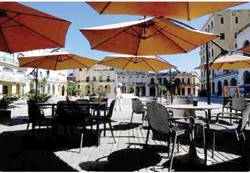
HAVANA – Cuba’s tourism sector seems to have everything from white sandy beaches to Spanish colonial forts. Everything except for tourists. The island’s economy has been caught in a death spiral following a barrage of sanctions levied by the Trump administration against the communist-run government. As services break down and shortages worsen, foreign visitors and the income they bring have vanished faster than the ice in a mojito on a summer day. Former tourism hot spots are now ghost towns, including Old Havana, the original settlement of the Cuban capital which was founded in the 16th century and is considered to be among the best-preserved examples of Spanish colonial architecture in the Americas. “There are no tourists,” said Elio, one half of a guitar duo that has played traditional Cuban music for nearly 30 years near a historic plaza in Old Havana. He did not want to give his last name out of concern about possible repercussions for talking to foreign media. “Maybe they are at home. One comes by only every half hour or hour.” In the first five months of 2026, a paltry 360,000 tourists visited the island, a 58% drop from the same time frame the year before, according to Cuban government statistics. By comparison, Cuba’s neighbor, the Dominican Republic, reported more than 10 times as many tourists over the same period. The Trump administration’s military strike in January against Cuba’s former ally Venezuela cut off a crucial supply of oil to the island. It was soon followed by a US-ordered oil blockade on the island, further disrupting the teetering economy and causing many air carriers, which are no longer able to refuel their planes in Cuba, to cancel all flights. A new round of US sanctions is targeting foreign companies that deal with the Cuban military, which controls large swaths of the tourist sector, leading to many international hotel chains to abandon the island. The Trump administration says the economic stranglehold is meant to force the Cuban government to pry open the island’s hermetic political system and allow direct foreign investment, including in the tourism sector. In an interview with Axios in June, Trump likened Cuba’s tourism potential to Venezuelan oil as he weighs further steps to force Cuba’s government to make concessions, including military action. “Venezuela has oil. Cuba doesn’t. Cuba has a nice property and they have nice shoreline,” Trump told the outlet. The island’s tourism sector had taken a hit in the pandemic and has not rebounded since. Increasingly punitive US economic sanctions have made the situation worse, preventing many visitors from coming or scaring off those who can. Tour operators like UK-based Cubania Travel have been forced to suspend all trips for the foreseeable future.
“Who would want to travel to a country which is in such dire straits? People are prepared to have some discomfort on their holiday. But it becomes kind of dark tourism to go somewhere like Cuba at the moment,” said Cubania director Lucy Davies. In the meantime, Davies says she is enlisting past clients and people concerned about Cubans’ welfare to fund food donations across the island for people affected by the crisis. The initiative also provides work to her local staff who no longer have tourists to guide.