




Renowned Sindhi folk poet Yousif Wado dies in Thatta
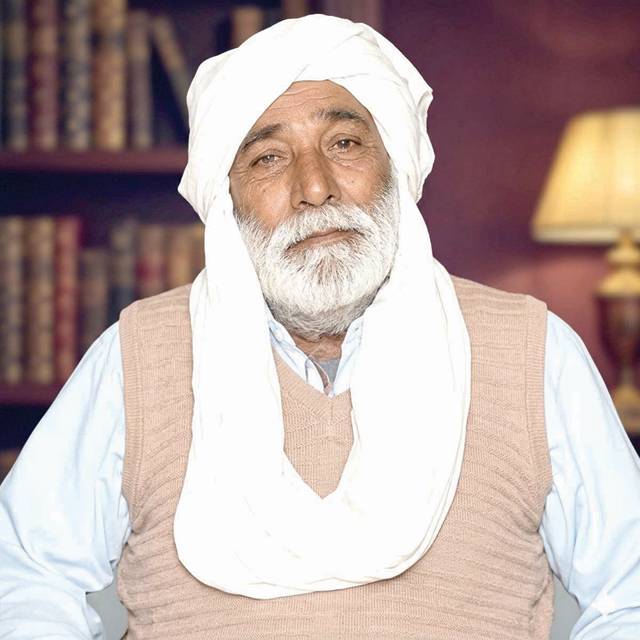
THATTA – Eminent Sindhi poet Yousif Wado passed away after a prolonged illness. According to close relatives of the seasoned poet, he had been battling lung cancer for a long time and breathed his last at his residence in Gharo city, district Thatta, on Tuesday afternoon. Wado was born in Udero Lal village near Gorabari town of district Thatta in 1955, and he was the third among his seven siblings. He was a carpenter by profession but had a significant command over the Sindhi language, following which he entered the arena of folk poetry.
He was well aware of the pain and challenges being confronted by people living in underprivileged areas of Sindh, and he depicted these realities through his poetry. In 1977, he settled in Gharo town and started trying his hand at lyrical poetry. He rose to fame during the early 1990s when the esteemed Sindhi folk singer, late Fozia Somro, sang his poetry, followed by Samina Kanwal, Taj Mastani, Suraiya Sumro, Allah Dino Khaskeli, Maheboob Khaskeli, Allah Dino Junjo, among others, who also sang his poetry and earned him widespread recognition across Sindh. He and his younger brother, Ali Muhammad Uderai, were known as poets of the masses, as they used colloquial Sindhi language in their poetry. His famous songs included “Hiyar Bhala Kithe Piyo Guzaren,” “Kon Kae To Munh Se Wafa,” “Rus Bhall Ruusan Qabool,” and “Mitha Maru Mot.” Noted literary figures of Sindh, including Ashraf Shair, Ayaz Amar Sheikh, Zubair Aziz Jaffrani, and Sheraz Memon, expressed deep sorrow over his demise. Ayaz Ammar Sheikh said that people would remember Wado for projecting the desires, wishes, and struggles of the common man, mainly in matters of love. He further added that his poetry revolved around human behaviour and emotions. However, Sheraz Memon lamented the attitude of the concerned government authorities towards Yousif Wado during his days of struggle. A large number of people, including his admirers, attended his funeral. Later, his body was shifted to his ancestral village, Udero Lal, for burial.