





The mobile-first roadmap for Pakistan’s startup ecosystem
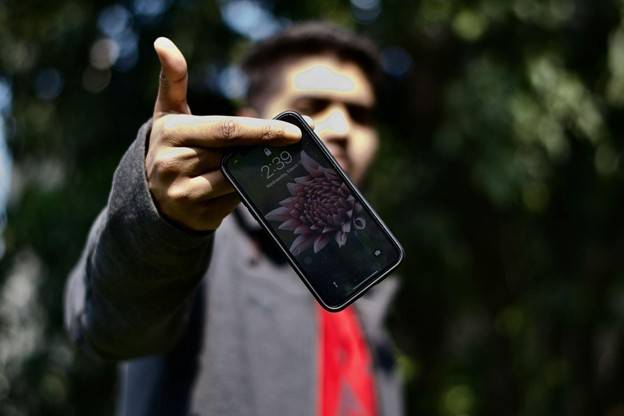
The real shift in Pakistan’s economy isn’t taking place in corporate boardrooms anymore. It is happening right in the palms of millions of people. By early 2026, the “Digital Pakistan” initiative moved past being just a government talking point to become a daily reality for everyone from Karachi’s street vendors to Lahore’s growing freelancer community. With our mobile subscriber base now crossing the 200 million mark, we have evolved into a mobile-first powerhouse, increasingly mirroring the high-velocity digital adoption seen in established tech hubs.
For local startups, this isn’t just a trend to watch; it is the only roadmap for survival. The days of building a heavy desktop website and “shrinking” it for a phone are over. If a platform doesn’t load in the time it takes to brew a cup of chai, the user is gone. This immediate demand for speed and reliability is where international standards meet local expectations. In mature, high-connectivity markets like New Zealand, “instant loading” is a baseline requirement, and Pakistani users are beginning to demand that same level of efficiency.
Looking at global leaders in highly competitive digital environments provides a clear blueprint for Pakistani developers. Whether it is the lightning-fast checkout process on Daraz, the seamless data-throttling algorithms of Netflix, or the real-time response times optimized by international platforms like Spin Casino, these entities share a common thread: a masterclass in low-latency design. They manage to keep interactive elements running smoothly even on inconsistent connections. For a Pakistani startup building a fintech app or an e-commerce store, achieving that level of “snappiness” found in these global interfaces is what separates a successful venture from a deleted app.
Beyond just speed, the “Mobile-First” economy thrives on trust. As we see a massive rise in the use of platforms like Easypaisa and Raast, the average Pakistani user is becoming more cautious about where they share their data. Startups often make the mistake of treating cybersecurity as an afterthought. Global brands operating in strictly regulated markets have already figured out that if a user doesn’t feel safe, they won’t stay. Security is a primary part of the “vibe” for apps like Foodpanda or the big titles from Electronic Arts. They use high-level encryption and stay transparent about data because that’s what builds long-term loyalty. Local founders need to realize that hitting these global marks is the only way to overcome the skepticism that often slows down tech adoption in our market.
Another lesson lies in the concept of “snackable” content. The modern user isn’t looking for long-form navigation. They want to accomplish a task, pay a bill, order food, or find a quick bit of entertainment in three taps or less. This shift toward high-speed, high-engagement interfaces is what drives the digital economy forward. When a user interacts with a well-oiled machine, whether it’s a local banking portal or a highly optimized international interface, they are being conditioned to expect excellence.
However, we must also be realistic about the challenges. While our mobile penetration is high, the quality of hardware varies significantly. The goal for our tech sector should be “optimization for all.” This means building light, efficient code that prioritizes function over unnecessary flash—a philosophy that has allowed international tech firms to thrive across diverse geographical regions.
The path forward for Pakistan’s tech potential is clear. We have the audience and the developers, but we haven’t quite mastered the “human” side of the interface yet. Instead of trying to reinvent the wheel, our entrepreneurs should be taking notes from international platforms that have already solved the puzzle of high-traffic mobile design in varied global markets. Success in this new digital era isn’t complicated; it’s about accessibility, fast load times, and iron-clad security. If we focus on these, the momentum of the next ten years will be impossible to stop.