





High Taxes Are Drying Up Demand for Pakistan’s Fruits and Driving Consumers to Unsafe Drinks
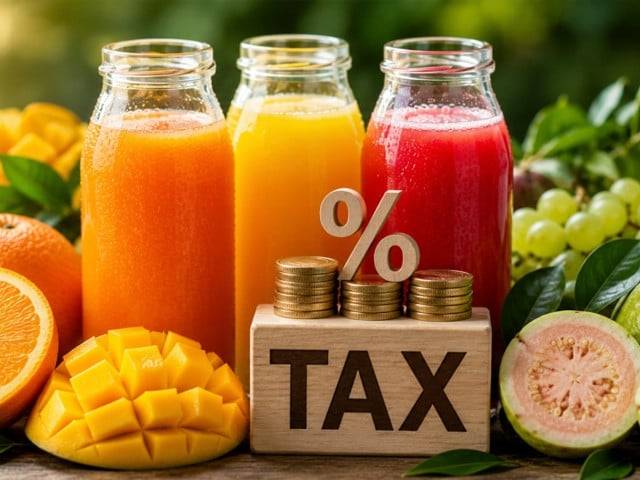
The Fruit Juice Council (FJC) has welcomed the recent deliberations of the National Assembly Standing Committee on National Food Security and Research regarding the declining mango production and the increasing shift toward potentially unsafe beverages in Pakistan.
“The Fruit Juice Council has been raising the same concerns for the last three years,” said Aatekah Mir-Khan the FJC Representative.
The Council has been presenting figures to the government, arguing that the extremely high taxation on fruit-based juices, nectars and drinks has not only resulted in a drastic dip in sales revenue but also sharp decline in procurement of fruit from local farmers and also shifted consumers toward unsafe alternatives produced by the informal/undocumented sector.
“After the imposition of 20% FED on top of 18% GST in 2023, our local fruit procurement, including mangoes, has fallen below 2017 levels. That is how alarming the formal industry shrinking is,” she said adding, “The undocumented sector products are being sold at more than half the price of the formal industry because they don’t use any fruit pulp, they aren’t concerned about the safety and quality of the ingredients that they are using and they are not paying any taxes.”
Recent discussions at the parliamentary level have also highlighted a decline in mango production—from approximately 2.2 million tons to 1.8 million tons—as well as concerns about the growing use of artificial sweeteners and synthetic inputs in beverages.
The FJC underscores that these trends are closely linked with the policy of high taxation and market distortions affecting demand for natural fruit-pulp-based products.
Impact of Current Taxation and Regulatory Environment
The FJC noted that the formal packaged juice industry has experienced a sharp contraction of over 45% in volumes following the imposition of a 20% Federal Excise Duty (FED), in addition to 18% GST, resulting in a total tax burden of nearly 42%.
This has reduced the market from approximately PKR 60 billion to PKR 40 billion, significantly weakening the documented fruit ecosystem—including farmers, pulp processors, and allied industries.
As formal demand declines, procurement of locally grown fruits such as mango has also reduced, directly impacting farmer incomes and discouraging investment in agriculture-linked processing.
FJC’s Policy Recommendations for Budget 2026–27
To address parliamentary concerns and support a healthier, more sustainable market, FJC proposes:
• Reduction of Federal Excise Duty (FED) on fruit juices from 20% to 10%
• Full exemption of FED on juices with no added sucrose/white sugar
These measures would:
• Revive demand for natural fruit pulp, supporting local farmers and reversing the decline in fruit utilization
• Encourage healthier consumption patterns, aligned with public health priorities
• Strengthen the formal, regulated sector, ensuring product safety and compliance
• Reduce the market share of undocumented, substandard products
• Distinguish between fruit based juices and carbonated drinks
• Local competitiveness to promote fruit juices exports