




Pakistani Prawn Biryani (Shrimp Biryani) — Dinner Party Favorite
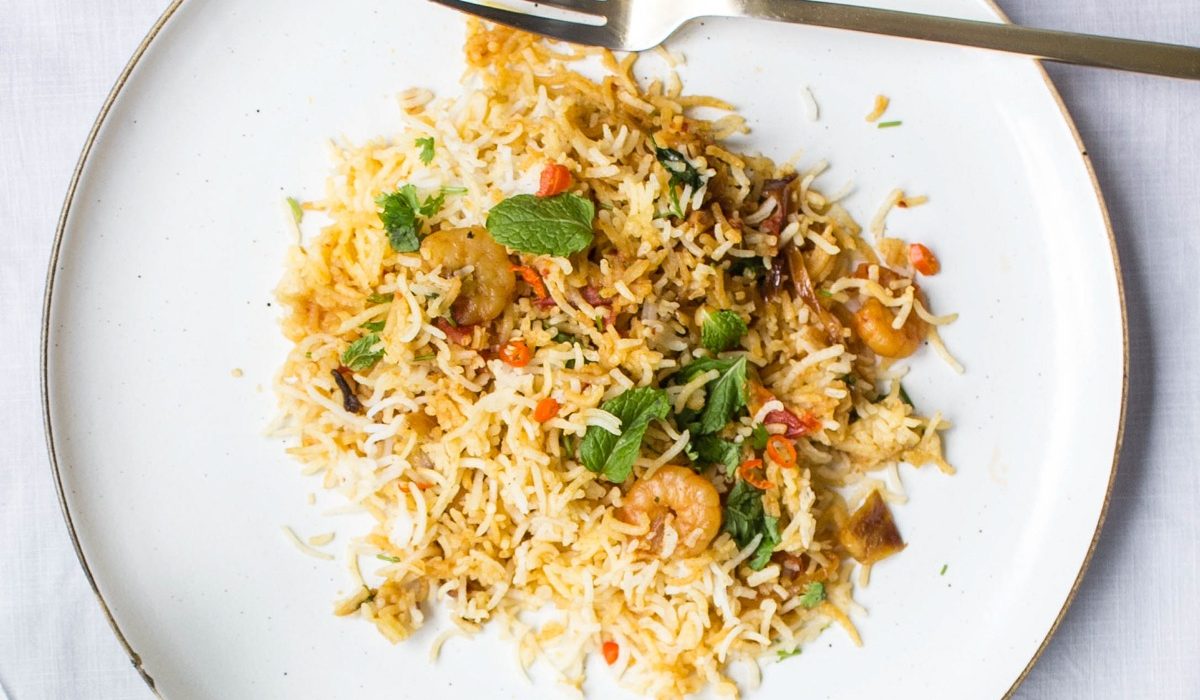
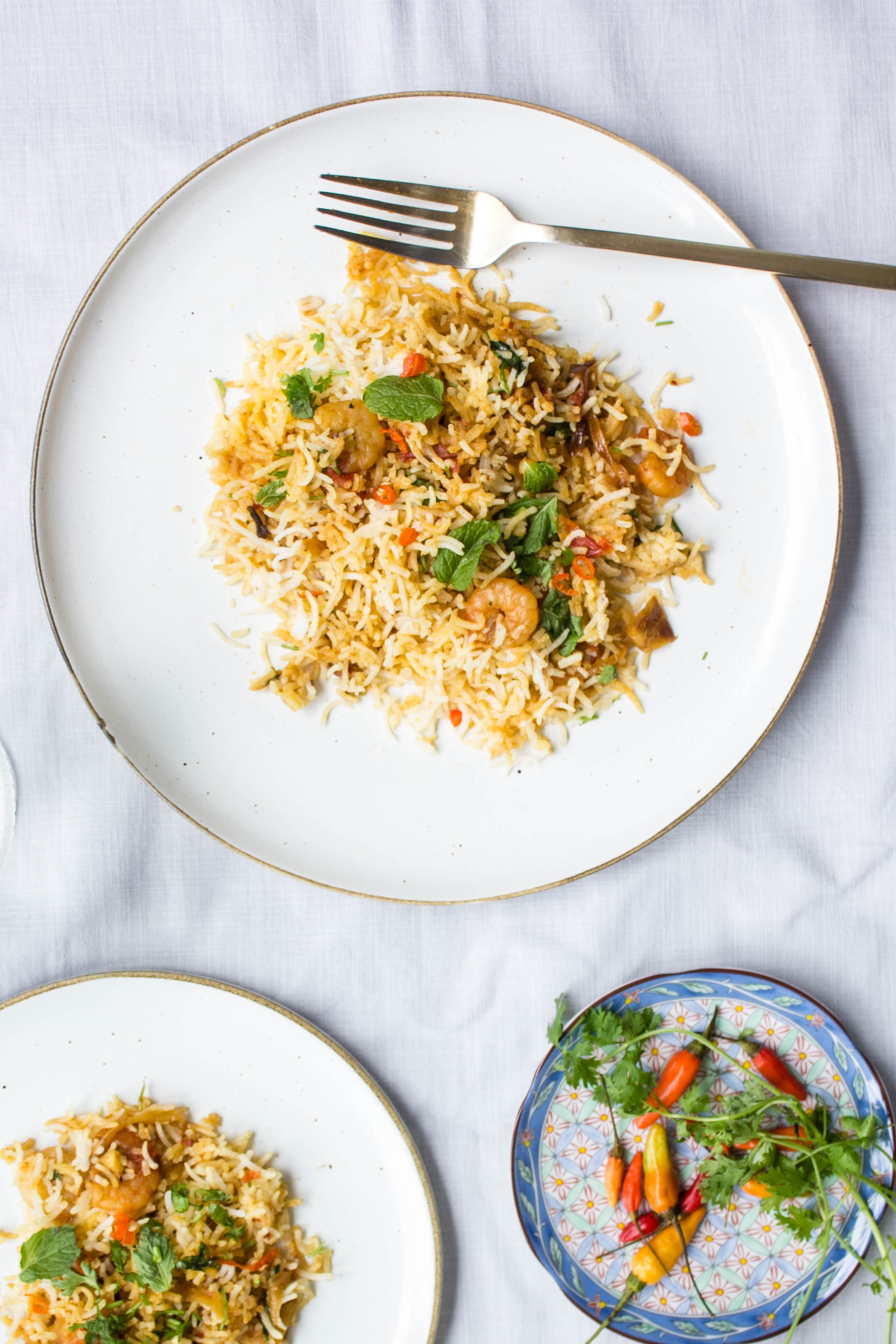
This Pakistani prawn biryani is easier than you think — fragrant basmati rice layered with a spiced shrimp masala and finished on dum. Ready in under 90 minutes and perfect for feeding a crowd.
Jump to:
About This Prawn (Shrimp) Biryani Recipe
I have been thinking a lot about biryani these days. While I never grew up eating it at home, it’s what I make every time I host. I served this chicken biryani at the first two supper clubs I hosted and am pretty comfortable making it now. The biryani I make is kachi biryani — where you cook the rice and the protein separately, and steam them together at the end. I’m not particularly snooty when it comes to food, and while people can be quite particular about biryani, the dish is ultimately democratic and versatile — sometimes you don’t need to overcomplicate it. That’s why I love this prawn biryani recipe.
I first made it in DC a few months ago and immediately wondered why it took me so long to try prawn biryani. As far as biryanis go, this one is easy to make and feeds a crowd beautifully. The recipe below has been adapted from Sameen Rushdie’s Indian Cookery — I know, I know, I have been talking about this book constantly, but for anyone who likes to cook Pakistani and North Indian food, it is the one cookbook to get. It covers a wide variety of classics and includes several fantastic sample menus at the front of the book. Long story short: buy the book. It’s wonderful.
What Is Prawn Biryani?
If there is any dish that reigns supreme on the subcontinent, it’s biryani. Bold and colorful, it demands center stage on the table — often saffron-hued rice piled with finely chopped cilantro and green chilies, built on a complex medley of spices. What separates biryani from other rice and meat dishes is the layering: the rice is placed over your choice of protein and then put on dum, steaming together on low heat until fragrant and fully cooked through.
There are dozens of regional variations. The Hyderabadi version — one of the most famous — layers richly spiced raw meat with parboiled rice, sealing the pot tightly and steaming everything together. The Sindhi version incorporates dried plums, a nod to Persian influence. The Bengali version adds potatoes. The biryanis found in Karachi, Pakistan’s culinary capital, reflect the city’s diverse communities and tend to be sharper and more vibrant in flavor than those found elsewhere in the country. For a deeper dive into the history and politics of biryani, Ahmer Naqvi has written a wonderful piece on the subject — worth a read.
This shrimp biryani is adapted from Sameen Rushdie’s Indian Cookery. Although the book is labeled Indian, Rushdie’s family migrated from India to Pakistan, and many of the recipes beautifully draw the two countries together — the spice profiles, in particular, will feel immediately familiar to the Pakistani palate. I was drawn to this shrimp biryani because it wasn’t a version I had tried before. It has since become my go-to when I’m cooking for friends: it’s festive, feeds a crowd, and comes together in under an hour.
Why This Is a Great Beginner Biryani
I recommend this recipe to friends and readers who are fairly new to cooking but want to prepare something festive and crowd-friendly. Biryani is universally loved, which makes it a reliable choice when you’re feeding a group. What makes this a great beginner biryani is the protein: shrimp cooks quickly, absorbs the flavor of the spice base easily, and is ready in 5 to 7 minutes. There’s no risk of undercooking the way there is with kachi biryani, and no marination required as in many chicken biryani recipes. It comes together fast, and there is very little room for error.
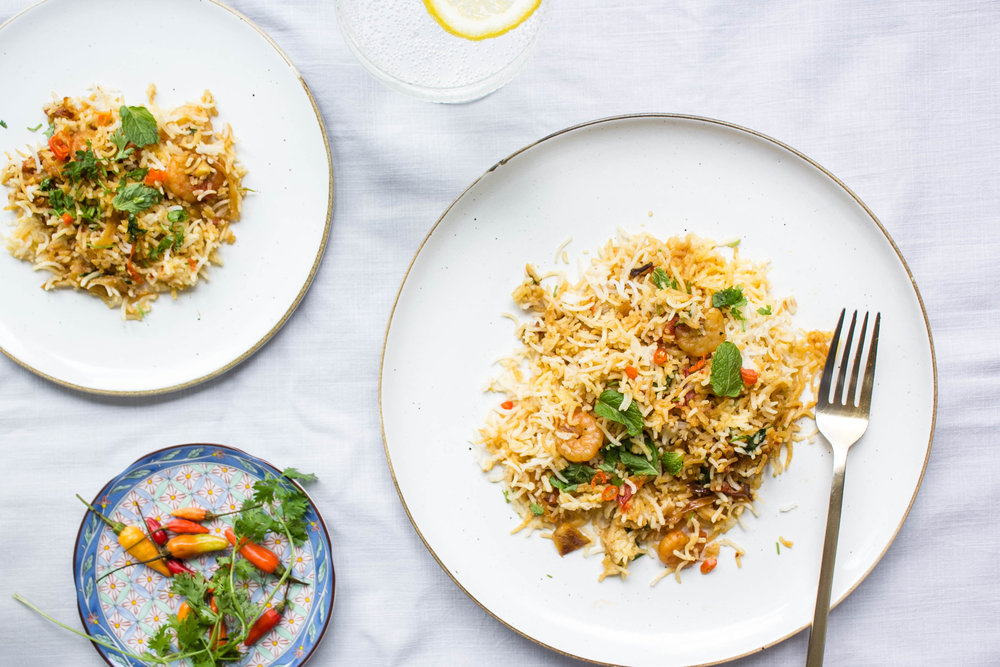
Ingredients You’ll Need
For the Rice
Basmati rice: Use good quality aged basmati for the best results — the grains are longer, less starchy, and hold up better during parboiling.
Green cardamom: Green cardamom pods add sweetness and fragrance to both savory dishes and desserts. Lightly crush before using for maximum flavor.
Black cardamom: Black cardamom has a smoky, earthy flavor quite distinct from green cardamom and is commonly used in pulaos, curries, and slow-cooked dishes. If you don’t have it, don’t substitute green cardamom — they taste very different. Simply leave it out if it’s not available.
Cinnamon stick: Use a whole cinnamon stick for aroma and depth.
Bay leaves
Salt
For the Prawn Masala
Prawns or shrimp: Peeled and pre-cooked. If using frozen, make sure to thaw them fully before starting.
Vegetable oil: Use any neutral cooking oil — canola, sunflower, avocado, or vegetable oil all work well.
Yellow onion: I prefer yellow onions in South Asian cooking, though red onions can work in a pinch. Use a medium-sized onion, sliced thinly.
Crushed garlic: You can buy pre-crushed garlic or make your own using a food processor or mortar and pestle.
Crushed ginger: Store-bought works, or make it at home: peel a roughly 1-inch piece of fresh ginger and mince it in a food processor.
Cumin powder: Ground cumin adds smoky warmth and depth.
Coriander powder: Ground coriander adds warmth and a faintly citrusy depth.
Red chili flakes
Turmeric powder
Roma tomatoes: Roma tomatoes are preferred for their lower water content and balanced flavor, but ripe vine tomatoes work here as well.
Bird’s eye chili or serrano pepper: In Pakistan, we commonly use green bird’s eye chilies, but serrano chilies are a good substitute in the US. Adjust quantity to your spice tolerance.
Saffron: Optional, but adds a beautiful color and fragrance to the finished dish.
Fresh cilantro
How to Make Pakistani Prawn Biryani — Step by Step
Parboiling the Rice: Bring a large pot of water to a rolling boil. Reduce to a simmer, add the whole spices listed under rice, and gently fold in the rice. Cook for about 5 to 7 minutes until parboiled — the grains should be partially cooked but still have some bite. Drain immediately and set aside.
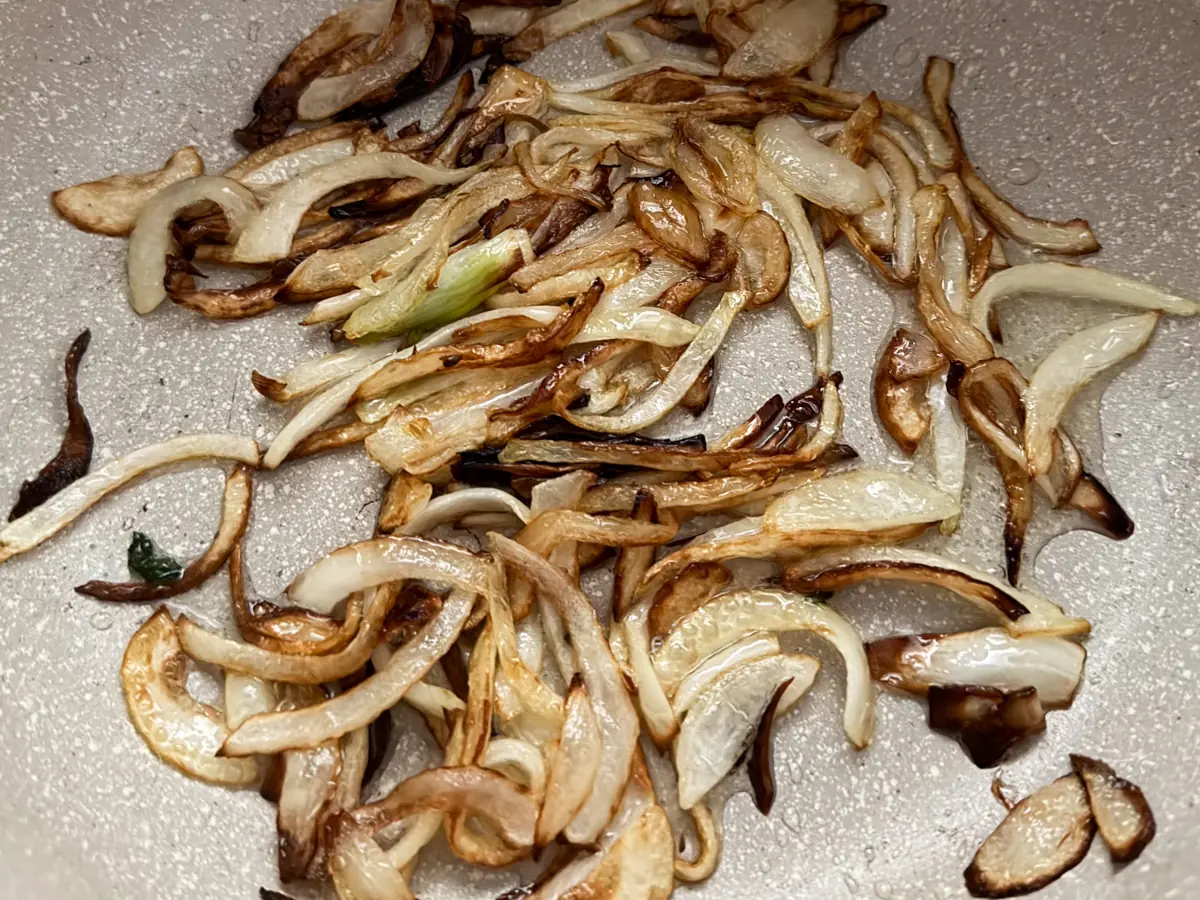
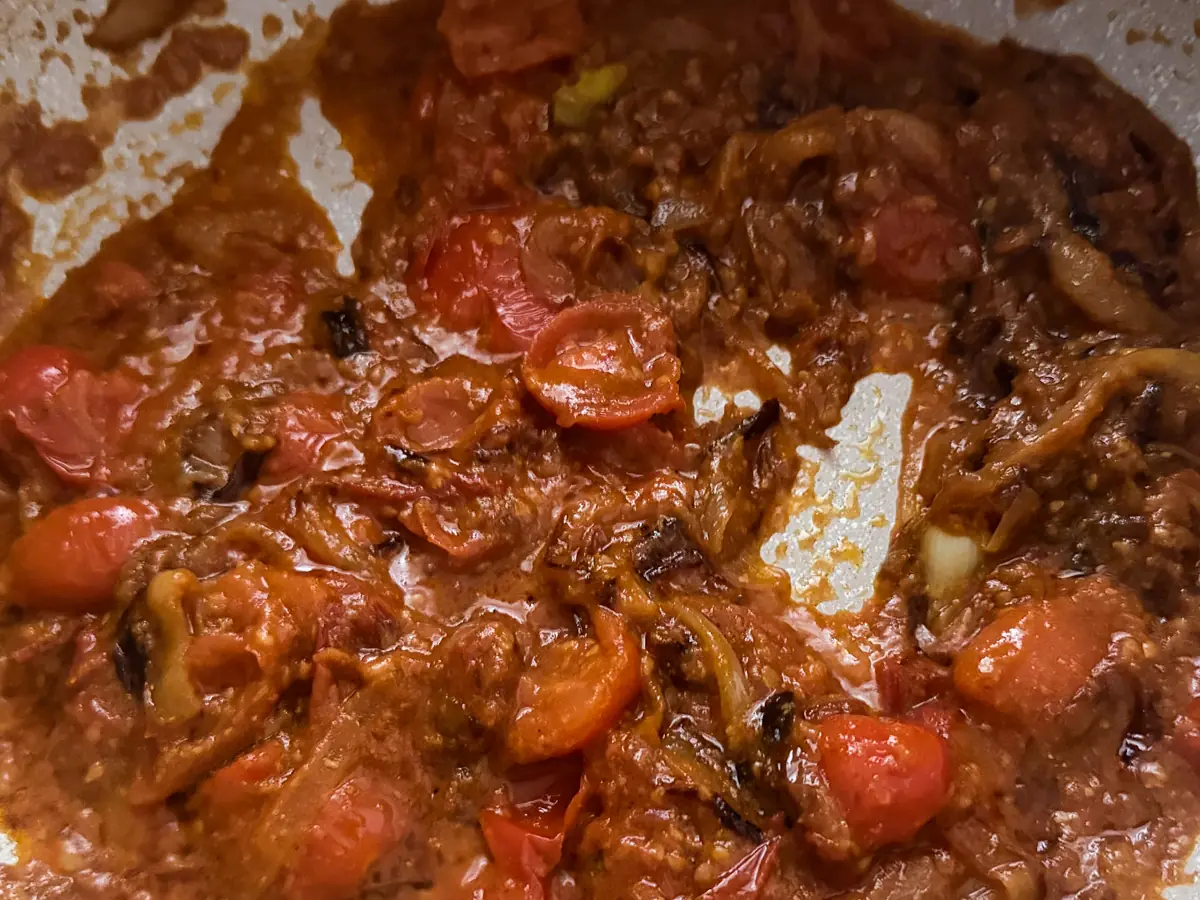
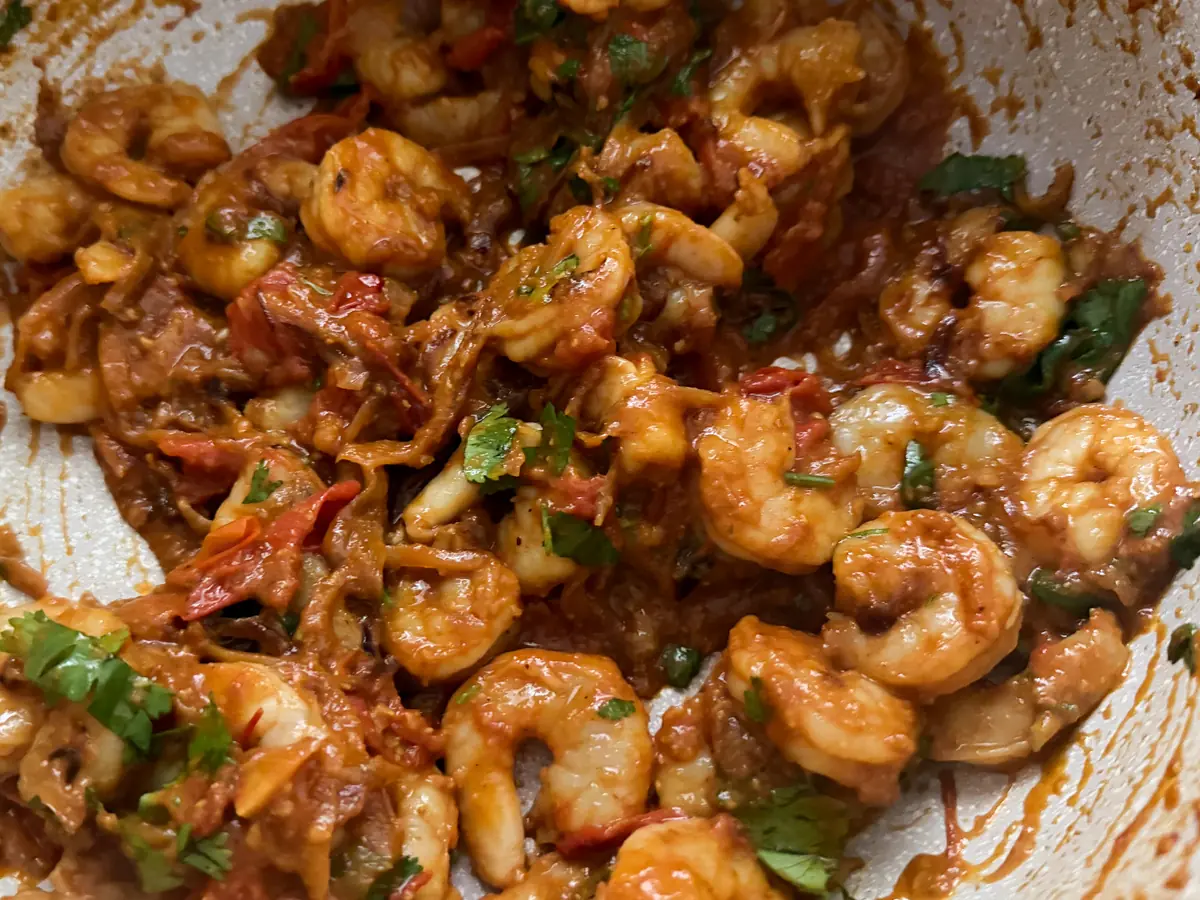
Making the Prawn Masala: Heat oil over medium-low heat in a heavy-bottomed pot and add the onion. Fry until evenly golden brown, about 10 to 12 minutes. Stir in the crushed garlic and ginger and cook briefly until the raw smell cooks off. Add the ground spices and stir for another minute or two until they no longer smell raw. Increase the heat to high and fold in the tomatoes and salt. Stir continuously until the tomatoes soften and break down. Add the prawns and stir until they turn opaque, about 3 to 5 minutes. Fold in the chopped green chili and half the cilantro. Remove from heat. Transfer half the masala to a separate bowl.
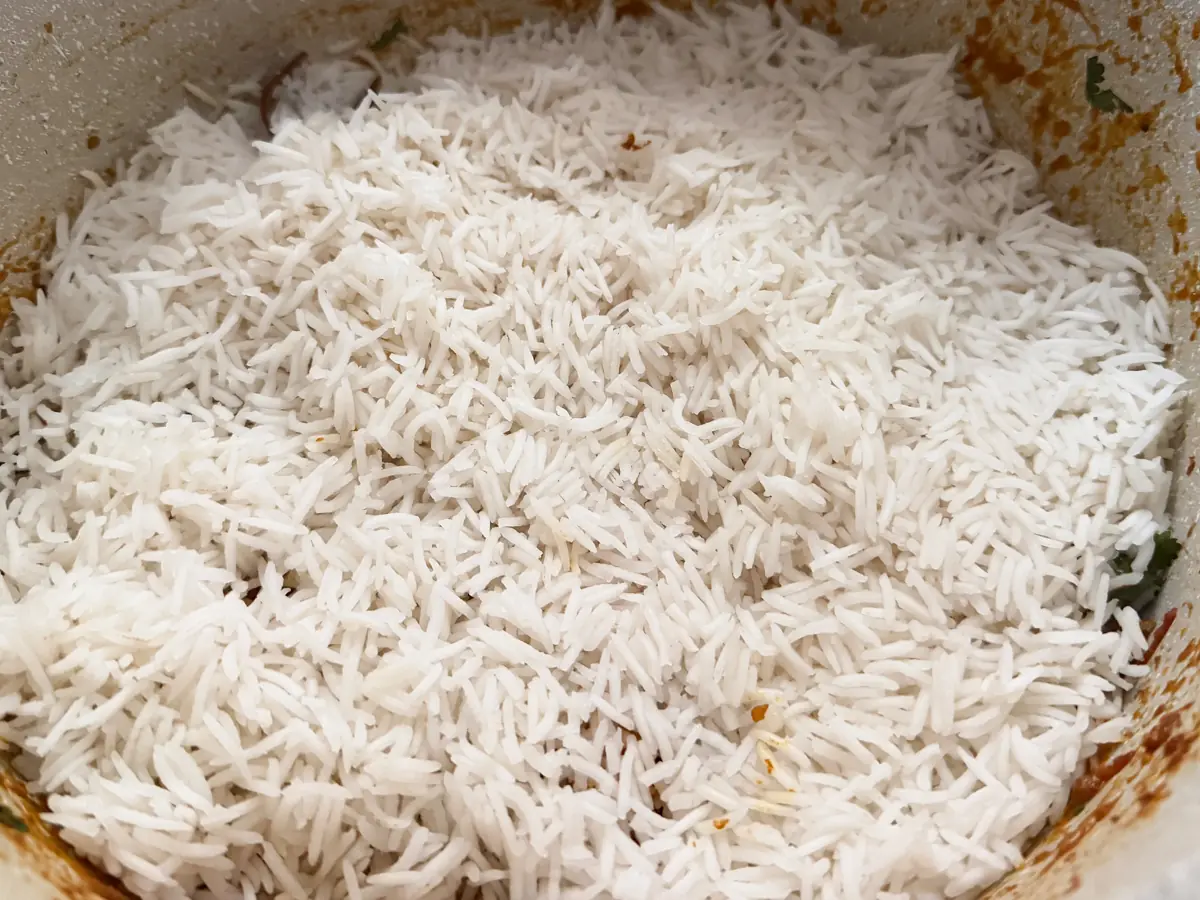
Layering the Rice: Add half the cooked rice to the pot over the remaining masala. Drizzle with half the saffron liquid if using. Spoon the reserved prawn masala over the rice, then cover with the remaining rice. Pour the rest of the saffron liquid over the top and stir very gently, being careful not to disturb the prawn masala underneath.
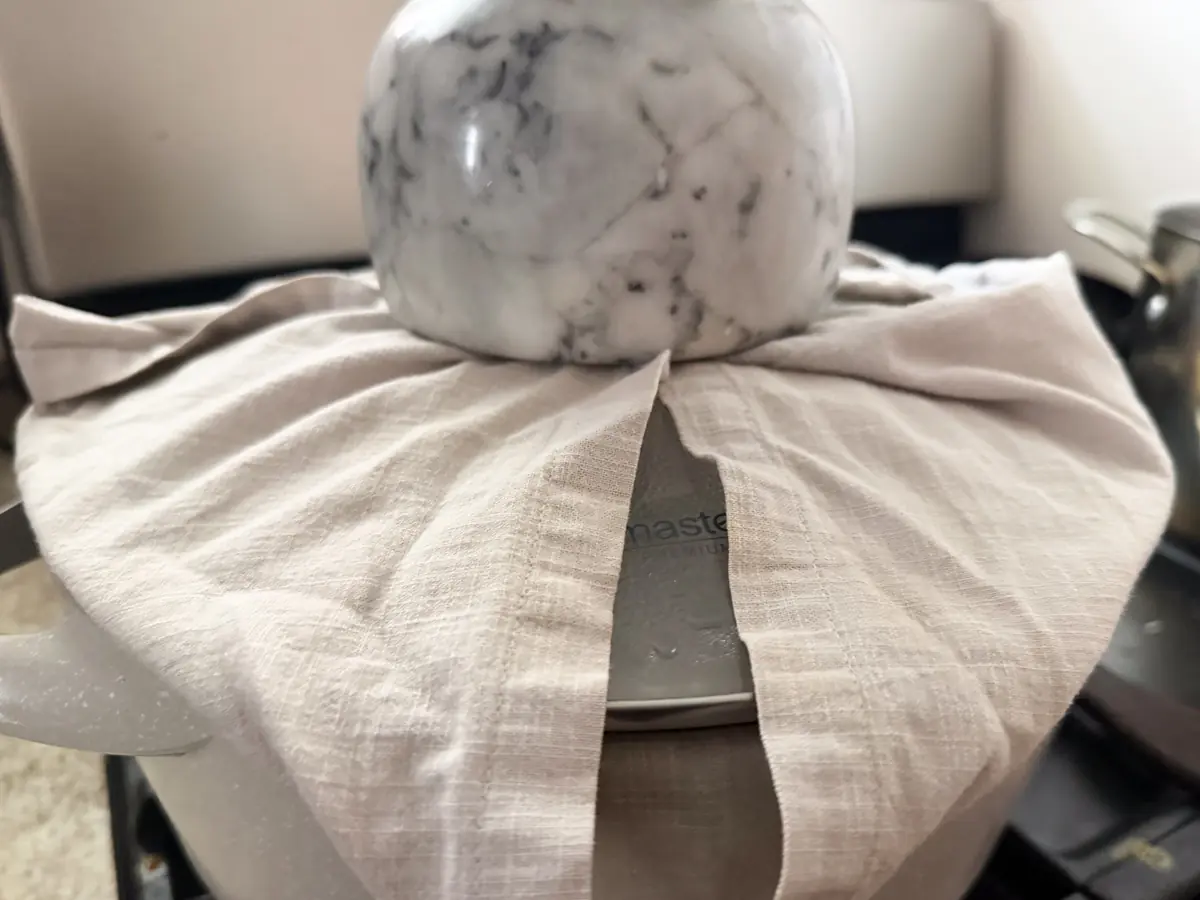
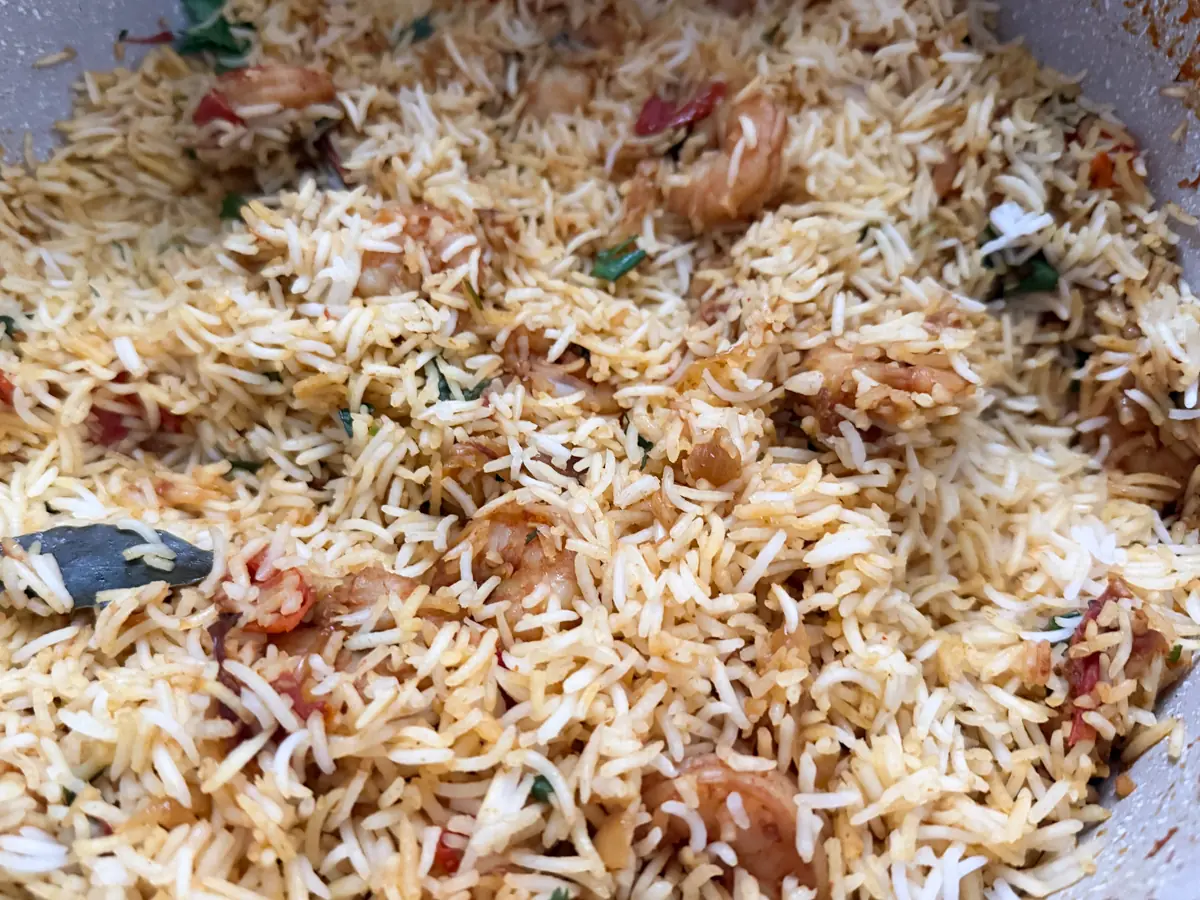
Dum: To steam the biryani, turn the heat to high briefly, then reduce to the lowest setting. Wrap the lid tightly with a cotton cloth and cover the pot. Steam for about 10 minutes. Once ready, gently fold the rice and prawns together, taking care not to break the rice grains, and transfer to a large serving platter.
Tips for the Best Prawn Biryani
- When using multiple spices, measure them out onto a small plate or bowl before you start cooking. It saves time and avoids scrambling mid-recipe.
- Check for salt throughout. I’ve recommended salting the rice water and adding salt with the tomatoes, but taste as you go and adjust accordingly.
- For the rice, bring the water to a full boil before adding the rice rather than starting them together. This gives you more control and reduces the risk of the rice turning mushy.
- To save time, bring the rice water to a boil while you prepare the prawn masala — both come together at roughly the same time.
- For the dum, you can also simply turn off the heat after layering and let the biryani steam in its residual heat until you’re ready to serve. This works especially well if you’re not eating immediately.
Frequently Asked Questions
Can I use fresh prawns instead of pre-cooked? Yes — both fresh and frozen work well here. If using frozen, make sure they are fully thawed before you begin. If using pre-cooked prawns, reduce the cooking time and remove them from the heat as soon as they turn opaque to avoid overcooking.
How do I know when the rice is parboiled enough? The grains should have some resistance when you bite into them — cooked on the outside but still chalky at the center. They should not taste raw, but they should not be fully cooked either. They’ll finish cooking on dum.
Can I make prawn biryani ahead of time? Yes. I often prepare the prawn masala in advance and cook the rice on the day of serving. You can assemble and put it on dum just before guests arrive.
What to Serve with Prawn Biryani
Prawn biryani is a complete meal on its own, but these sides round it out well:
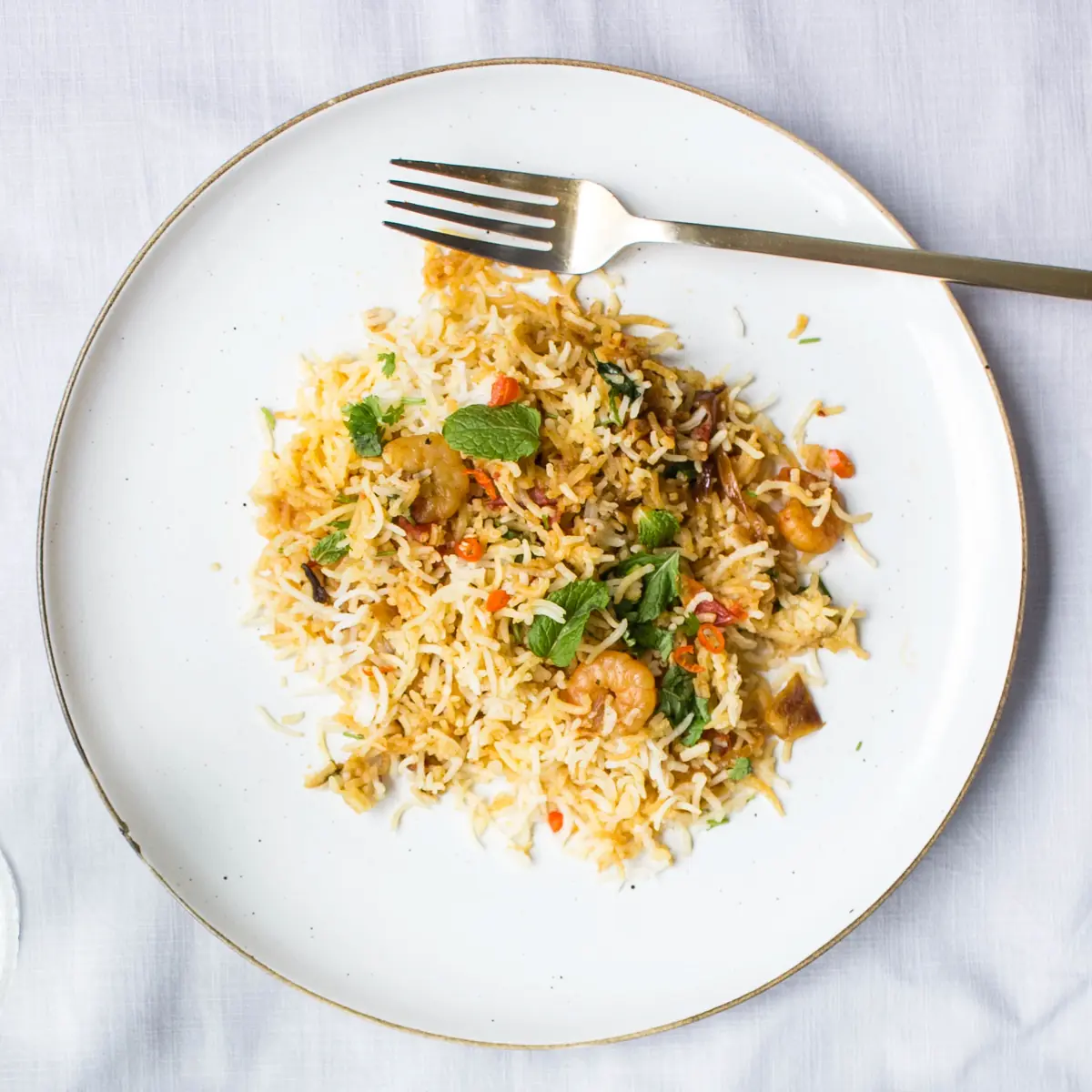
Pakistani Prawn Biryani Recipe (Shrimp Biryani)
This Pakistani prawn biryani is easier than you think — fragrant basmati rice layered with a spiced shrimp masala and finished on dum. Ready in under 90 minutes and perfect for feeding a crowd.
Ingredients
Method
Bring a large pot of water (at least 4 quarts) to a rolling boil. Reduce to a simmer and add the green and black cardamom, cinnamon stick, bay leaves, and about 1 tablespoon of salt.
Add the rice and cook on low heat for no more than 5 to 7 minutes. Once parboiled, drain immediately into a colander and set aside.
Heat oil over medium-low heat in a heavy-bottomed stockpot. Once it shimmers, add the onions and cook for 10 to 15 minutes, stirring occasionally, until evenly golden brown.
Add the crushed ginger and garlic and stir for about 30 seconds until the raw smell cooks off.
Add the cumin powder, coriander powder, red chili flakes, and turmeric powder. Stir for 1 to 2 minutes until the spices are fragrant. Deglaze with a splash of water if the spices begin to stick.
Increase the heat and add the chopped tomatoes. Stir continuously until they soften and break down, about 5 to 7 minutes.
Add the prawns and cook on high heat for 3 to 5 minutes until opaque and just cooked through.
Add the chopped green chili and cilantro. Remove from heat. Transfer half the masala to a separate bowl.
If using saffron, grind the threads with a pinch of sugar, place in a small bowl, and bloom in 1 tablespoon of warm water.
In a separate stockpot, add half the cooked rice. Drizzle with half the saffron liquid.
Spoon the reserved prawn masala over the rice, then cover with the remaining rice. Pour the rest of the saffron liquid over the top and stir very gently without disturbing the masala layer.
To put the biryani on dum, turn the heat to high briefly, then reduce to the lowest setting. Wrap the lid tightly with a cotton cloth and cover the pot. Steam for 10 minutes.
Once ready, gently fold the prawn and rice together, taking care not to break the rice grains. Transfer to a large serving platter and garnish with fresh cilantro and green chilies.
Notes
*Traditionally, you are always told to place the rice and water in the pot and bring to a boil at the same time. I prefer to bring the water to a boil first and then carefully add the rice in with a slotted spoon. This takes some of the guess work away from the rice; reducing the risk of it becoming mushy. I also bring the water to a boil and let it simmer while I prepare the prawn masala. Once I’m done preparing the masala, that’s when I add the rice and let it cook. This cuts down on cooking time and helps me put the rice on dum while it’s still hot.
**When using multiple spices, it’s best practice to add them to a small plate or bowl and set aside. That way you are not scrambling to find and measure them when it’s time to add them.
Source link