





Oil Prices Surge Above $120 Amid Hormuz Tensions and UAE Exit from OPEC
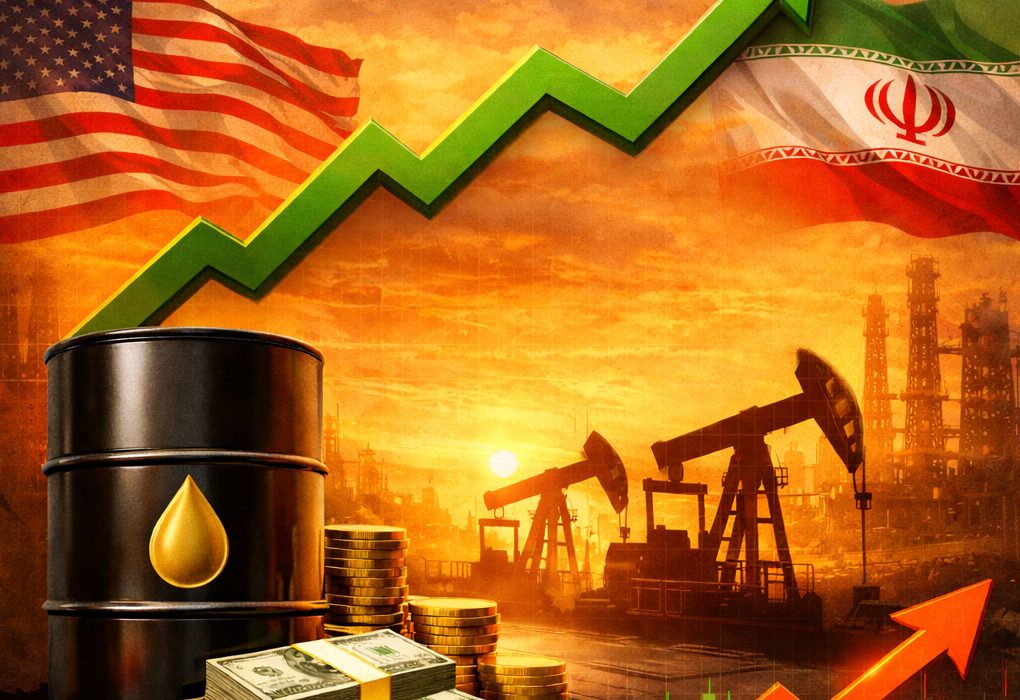
Global oil prices spiked sharply on Thursday, with Brent crude briefly touching $122 per barrel, marking its highest level since 2022, as geopolitical tensions and supply shocks intensified across energy markets.
The rally comes amid a continued blockade affecting Iranian ports under policies linked to Donald Trump, alongside the unexpected decision by the United Arab Emirates to exit the OPEC and OPEC+ alliances developments that have significantly tightened global oil supply.
Market sentiment shifted after senior energy executives met U.S. leadership in Washington to assess the economic impact of the ongoing Iran conflict and surging fuel prices. Analysts believe the discussions संकेत that restrictions on Iranian exports and maritime activity may persist longer than anticipated.
The situation has been further aggravated by disruptions in the Strait of Hormuz a critical global shipping route responsible for roughly one-fifth of the world’s oil and liquefied natural gas flows.
Iran has reportedly restricted shipping through the strait following military escalation involving the U.S. Navy earlier this year, while U.S. forces have moved to intercept vessels linked to Iranian ports.
The standoff has effectively reduced available oil supply, pushing prices steadily higher over the past two weeks. Oil markets have experienced sharp swings since the conflict began, with a brief dip earlier in April on ceasefire hopes after talks in Islamabad, followed by a rapid rebound as negotiations stalled.
Analysts warn that a prolonged disruption in Hormuz could tighten global inventories even further, raising the risk of broader economic fallout if energy flows remain constrained.
With geopolitical risks escalating and supply chains under pressure, global energy markets are bracing for continued volatility. The combination of reduced exports, strategic realignments, and ongoing conflict has created one of the most uncertain environments for oil prices in recent years.
If disruptions persist, economists warn that sustained high oil prices could fuel global inflation and slow economic growth, particularly in energy-importing countries like Pakistan.