




Building cultural bridges by learning how to make Thai food
Being served a plate of mouthwatering Thai food straight from the kitchen is a dream many of us envision, as Thai cuisine is sought after and quite popular — after the localised version of Pan-Asian/Chinese food, of course — when you’re on the hunt for a weekend restaurant outing.
A few days ago, the Royal Thai Consulate-General in Karachi and the Masterclass Pakistan Hospitality Business School (HBS) hosted a culinary workshop to celebrate Thai cuisine, and promote cross-cultural harmony.
The highlight of the workshop was a live cooking demonstration conducted by Chef Phontawat Sutsanguan guiding participants through the preparation of popular Thai delicacies such as Satay and Pad Thai.
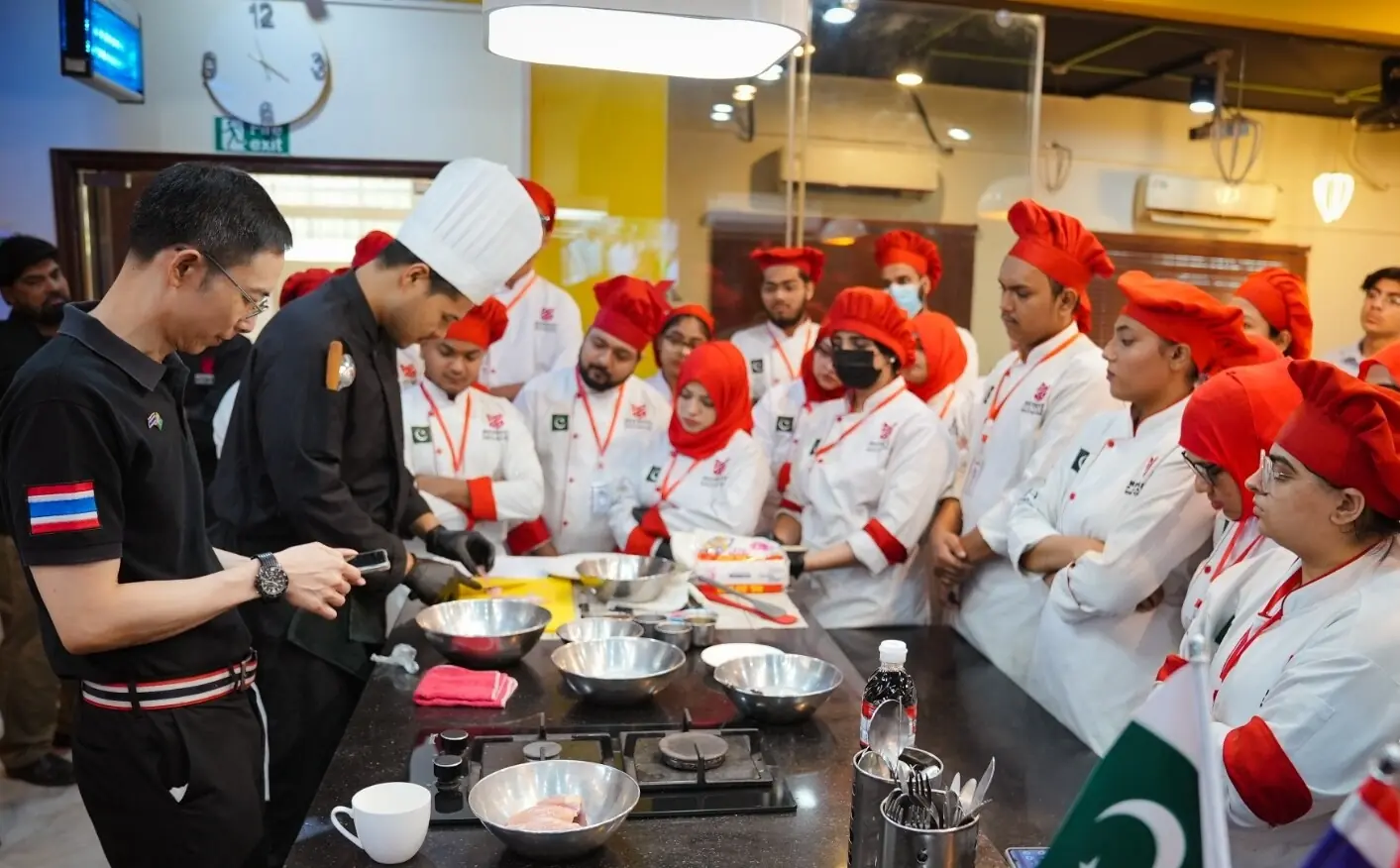
The workshop focused on cooking techniques and the delicate balance of flavours — such as sweet, sour, salty and spicy. The participating aspiring chefs were also introduced to authentic ingredients. According to the Thai host, diplomat Chotirand Komaradat, “By introducing participants to traditional Thai recipes and techniques, we hope that the event contributes to expanding culinary horizons and encouraging the integration of Thai flavours into Pakistan’s evolving food landscape.”
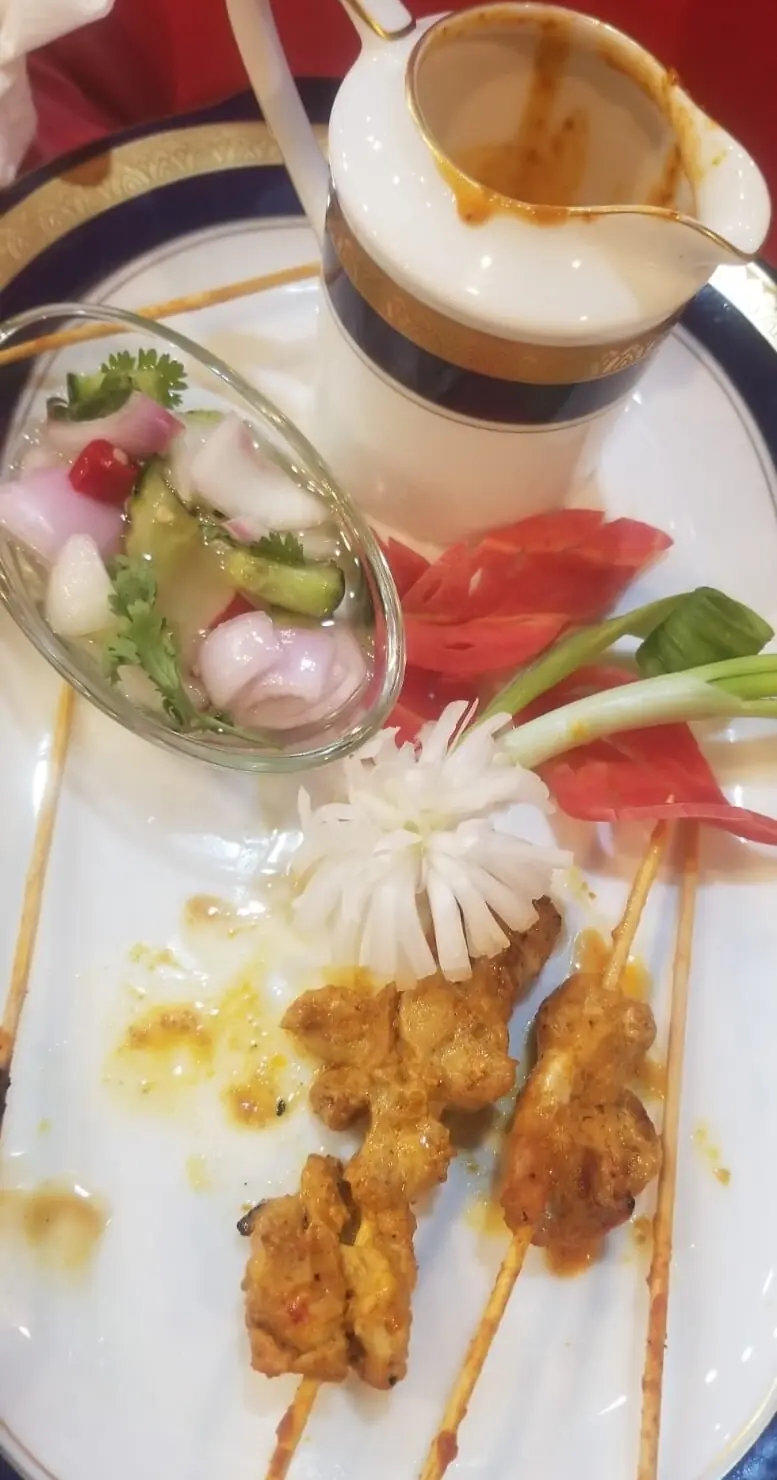
The first of the two dishes prepared by Chef Sutsanguan was Satay, a very popular Thai street food delicacy that was comfortably chewy and served four a piece on wooden skewers. Served with a side of aromatic, chunky crushed peanut sauce and a finely chopped fresh salad of red onions and cucumber immersed in a sweet vinegar-like clear liquid, the combination elevated the food to a Michelin star-level dish.
Fun fact: traditionally, Satay is prepared using the tail-end pieces of chickens, called dumchi in local Pakistani lingo, which is usually discarded or thrown away by butchers while preparing chicken meat. This meat is used in Satay in order to keep it affordable for lower-income groups. In Pakistan, we have a similar concept, where lightly-seasoned dumchi is cooked by piercing the pieces onto skewers and placing them on a bed of hot coals or stir-frying them before serving them with fresh naan on pushcarts.
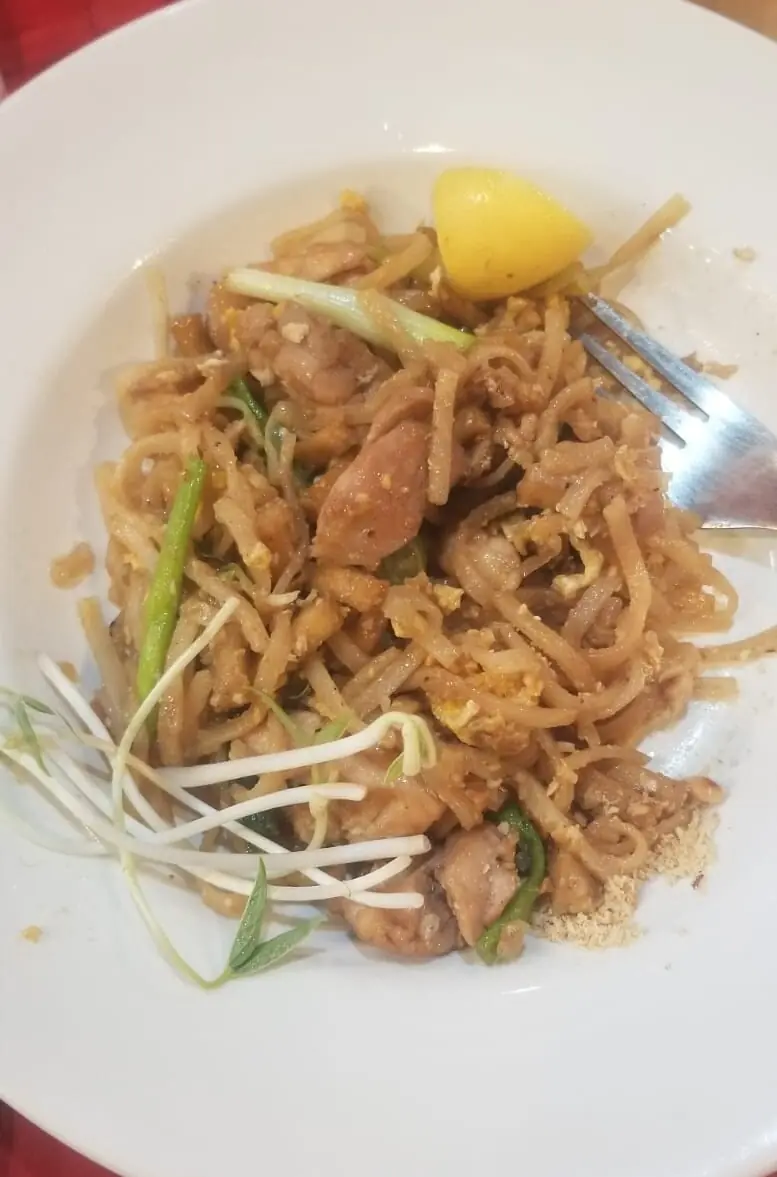
The other dish served was the equally popular Pad Thai, a stir-fry made from rice noodles, finely chopped peanuts, shrimp or chicken, green onions, scrambled eggs, sugar and fresh beansprouts. All the ingredients come together in a wok with a few tablespoonfuls of oil, and the result is culinary magic.
The workshop concluded with an interactive tasting session, where participants presented their prepared dishes and shared their experiences with Royal Thai Consulate General H.E. Surashete Boontinand.
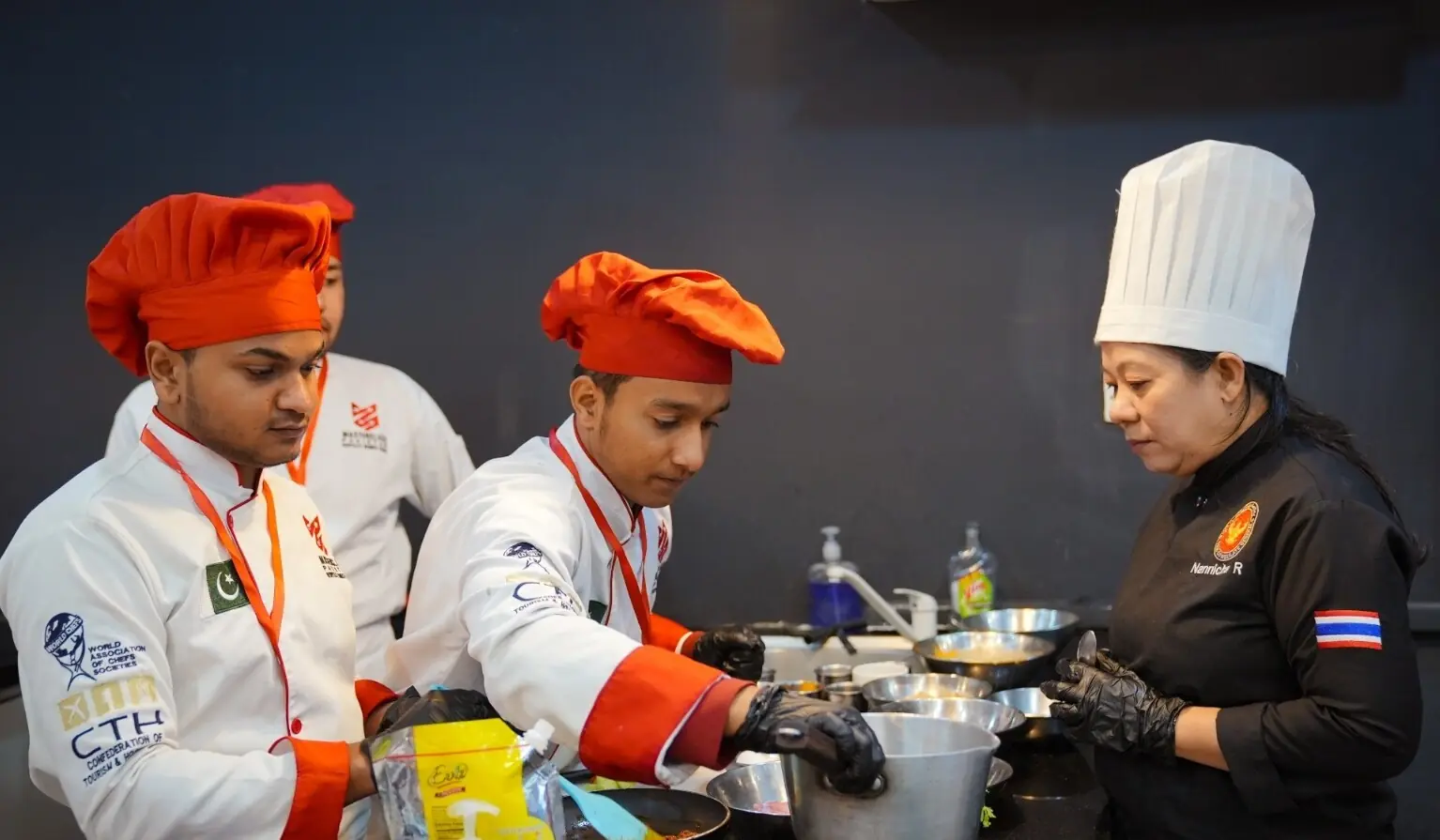
In addition to demonstrating how food can serve as a bridge between two nations, the workshop also pointed to a need for Thailand to host workshops of this kind for culinary students, in order to learn the fine art of Pakistani food preparation from experienced and celebrated local chefs. We have a rich tradition and cache of mouthwatering and tantalising local cuisine that needs to be promoted abroad to push Pakistan’s soft image.
Our ever-popular biryani made with its aromatic basmati rice will bowl the rice-loving Thais over, of this I’m absolutely sure!
Cover photo via MasterClass Pakistan HBS