

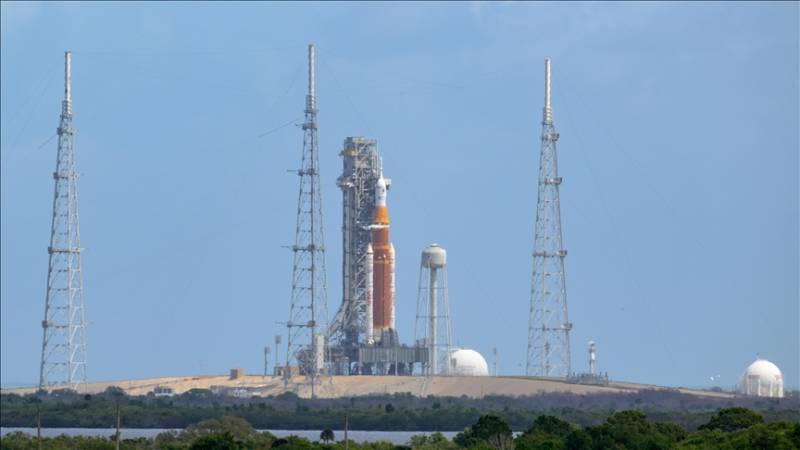


NASA set for first crewed moon return in over half a century
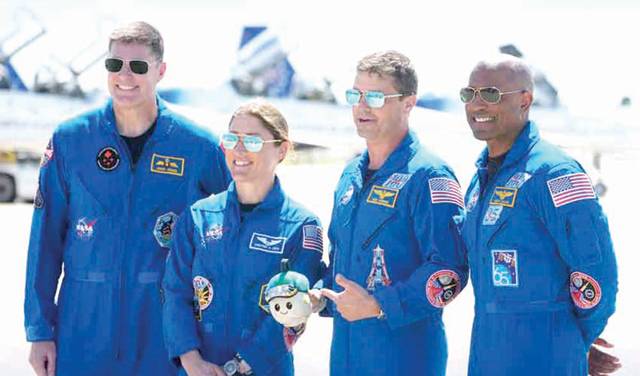
BAKU – NASA is preparing to launch the first crew of astronauts toward the moon in over 53 years with its second Artemis mission, a critical test flight in humanity’s broader lunar goals as the U.S. races to reassert leadership in space faced with growing competition from China, Reuters reported. Three U.S. and one Canadian astronaut ?are due for liftoff aboard NASA’s Orion capsule and Space Launch System rocket on Wednesday for a 10-day test mission swinging around the moon and back, a winding journey taking them deeper into space than humans have ever gone before. The mission is the first crewed test flight in NASA’s Artemis program, the flagship U.S. effort to begin regular flights to the moon, at an estimated cost of at least $93 billion since 2012. Not since Apollo 17 in 1972 have humans touched down on the moon’s surface, a tricky feat NASA aims to repeat in 2028 at the rugged lunar south pole. The U.S. is the only country to have put humans on another celestial body with its six lunar landings of the Apollo program, driven by competition with the former Soviet Union.
U.S. officials have more recently focused on China, a formidable technological rival that has made steady progress in its ?own moon program in recent years with a string of robotic lunar landings and a 2030 goal to put its own crew on the surface. NASA astronaut Christina Koch, Artemis II mission specialist, on Sunday said the moon is a “witness plate” to the solar system’s formation, and a stepping stone to Mars, “where we might have the most likelihood of finding evidence of past life.” “Many, many countries have recognized the value that there is in exploring further into the solar system, to the moon and on to Mars,” she told reporters. “They recognize that not only can we gain all these extremely tangible benefits, but that we have the opportunity to answer the question that could be the question of our lifetime, which is, are we alone?” “Answering that question starts at the moon,” she said. “The question is not should we go, but should we lead, or should we follow?” Through a series of increasingly advanced Artemis missions extending into the next decade, the U.S. aims to set precedent for how others will operate and coexist on the moon’s surface, where someday countries and companies can exploit rocky lunar resources and practice for much more difficult missions to Mars.