


Book adaptations are taking Hollywood by storm
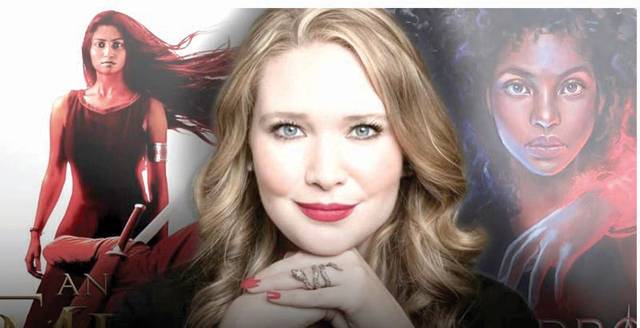
LOS ANGELES – Throughout an almost two-decade writing career, Rufi Thorpe had written three books. The third and most acclaimed one, “The Knockout Queen,” was optioned for the screen in what she called a “normal way,” by one company trying to make it into a movie. Then she wrote her fourth novel, “Margo’s Got Money Troubles.” And the process she’d gotten used to was thrown out the window: The novel blew up before it was even on bookshelves, there was a crazed bidding war involving A24 and Elle Fanning, and less than two years after publishing, the adaptation is hitting Apple TV in April. The overwhelming majority of authors still never get to go Hollywood. But what was once a distant dream is now coming true for more and more authors, all up and down the ladder of literary fame and prestige. With the streaming industry starving for stories to tell, a writer doesn’t need to have already built up a blockbuster book franchise like “The Vampire Chronicles,” “Harry Potter” or “Twilight,” to see their work become an onscreen pop culture juggernaut. It’s enough to have a niche hit: Rachel Reid’s “Heated Rivalry” didn’t really take off until a viral recommendation by a fellow romance author; Julia Quinn’s “Bridgerton” series was hailed in the romance world but relatively unknown beyond; Mick Herron’s “Slow Horses” did so poorly in its initial publication that the publisher turned down the next book. All have since become runaway hits for their respective streaming services. Book adaptations have become so important in Hollywood that Netflix, a perennial book adapter, said its book-to-screen content found a spot in the streamer’s global Top 10 every week in 2025.
For many streamers, adaptations have become pillars of content, so much so that the platforms offer book adaptations as one of their browsing categories. Books have always been valuable assets in Hollywood, said Rich Green, who heads book-to-film/TV development at management and production firm the Gotham Group. Decades ago, he said, his small list of book clients were what “kept my phone ringing.” At that time, movie studios both big and small were the main buyers. Streaming “dramatically” changed the landscape for book adaptations, Green said. Where studios may only make a handful of movies a year, streamers have “infinite bandwidth” to create as much content as they can for hungry consumers scrolling through their televisions at all hours. With an increased need for stories, both published books and upcoming releases present an endless stream of ideas, Green said. “All of a sudden, you had the streamers coming to those who do what I do,” Green said, “and optioning quite aggressively.” That trend, he said, quadrupled his business. For authors, that can mean more involvement in the adaptation process. Thorpe holds an executive producer credit on “Margo,” a role that is becoming more common for authors of adapted works. “Hamnet” author Maggie O’Farrell helped Oscar-winning director Chloé Zhao adapt her novel for the screen — a process that she has said involved lengthy Zoom calls and the exchange of voice notes. Many authors are still happy to sign a contract and wash their hands of the rest. But others can ask to maintain more creative control if interested, rather than the traditional practice of ceding it to the industry.