




What Pakistan’s Cardinal Joseph Coutts eats during the holiday season
I often tease Cardinal Joseph Coutts, the second priest in Pakistan to rise to the esteemed position of cardinal, about his uncanny resemblance to Santa Claus.
I also bring up the globally popular Christmas tradition where children keep aside milk and cookies for Santa on Christmas Eve to keep his energy up while distributing gifts all night and ask him what he prefers to have on Christmas eve or Christmas day. The question amuses and surprises him in equal measure.
“My entire focus on Christmas is on prayer, from the midnight mass to the day’s services,” he reminds me. “Christmas feasts, cookies and cakes and celebration are for you all. I don’t have time to think about such things,” he says.
This is followed by a short lecture on how people here are becoming too ‘Westernised’ with time. “The English have Christmas parties with food and drink, cakes, cheese and pies. There is also a tradition of having roast turkey in the West for Christmas dinner,” Cardinal Coutts continues, adding that it is for those who can afford it.
“Christmas is really about being grateful to God and about spreading peace and harmony. It is a celebration of the birth of Jesus Christ, for which we offer prayers,” he explains.
The cardinal says that even when he was young, Christmas was all about sharing. “Growing up in a Muslim neighbourhood in Lahore, I remember my mother preparing mithai (sweetmeats) and other things for Christmas or any other special occasion, to share with our neighbours,” he says. “The children would deliver the sweets to the houses of Qazi Sahab or Malik Sahab, and to the nearby mosque, too, at such times.”
While raised in Lahore, Cardinal Coutts’ family hailed from Goa in what is now India. “My mother was used to the culinary tastes of the semi-tropical Indian state. Therefore, her cooking included ingredients such as dry coconut, cashew nuts, almonds, raisins etc,” he adds. “She would find little jobs to involve us children, such as cleaning the raisins, peeling the almonds and so on.”
A simple sweet delight that the Cardinal remembers from his childhood is a mix of grated coconut, roasted chickpeas and sugar, folded inside a samosa (triangle-shaped savoury pastry). When I pressed him further, he called his cook, Mrs Mehekjee, and his majordomo, Mr William, to deal with my queries.
“The cardinal is a finicky eater,” Mrs Mehekjee tells me. “You can say he eats to live and not the other way round,” she laughs. “He eats simple food, such as okra, turai (ridge gourd) or bottle gourd but, sometimes, I am able to make him have a bit of chicken roast. I am planning to cook one for Christmas,” she reveals her secret plan and, thankfully, the recipe for it.
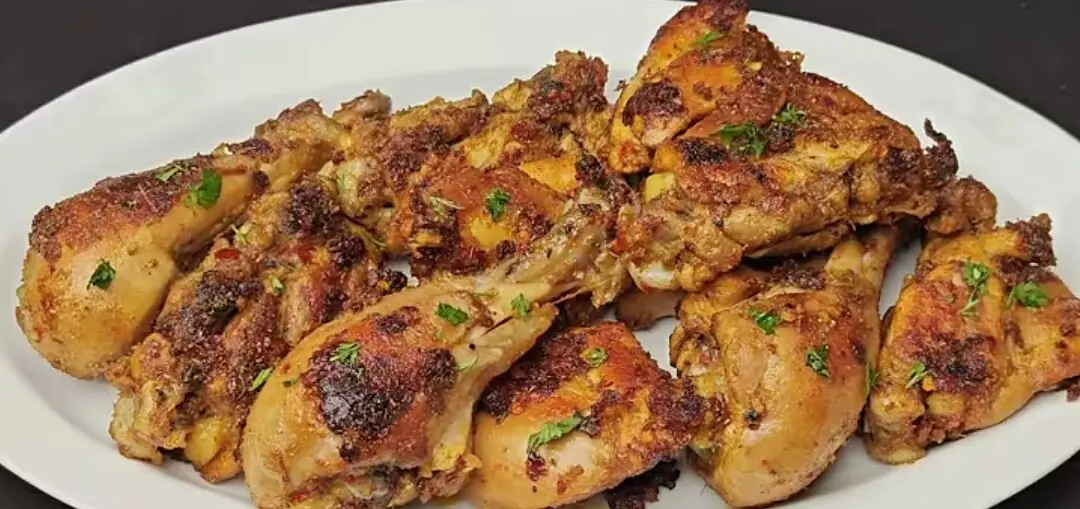
Chicken roast
Rub lime juice and salt to taste on the chicken and leave it to marinate for half an hour. Grind three to four dried red chillies, three fresh green chillies, an inch-long piece of ginger, 10 to 12 garlic cloves, and a teaspoon of black peppercorns with two tablespoons of water. Rub this mixture on the chicken and let it marinate in the fridge for a couple of hours.
Take some oil or ghee in a pan and sauté the chicken till it leaves moisture. Lower the heat and cover to cook for around 20 to 25 minutes until the water evaporates. Serve with salad or raita (yogurt-based dip).
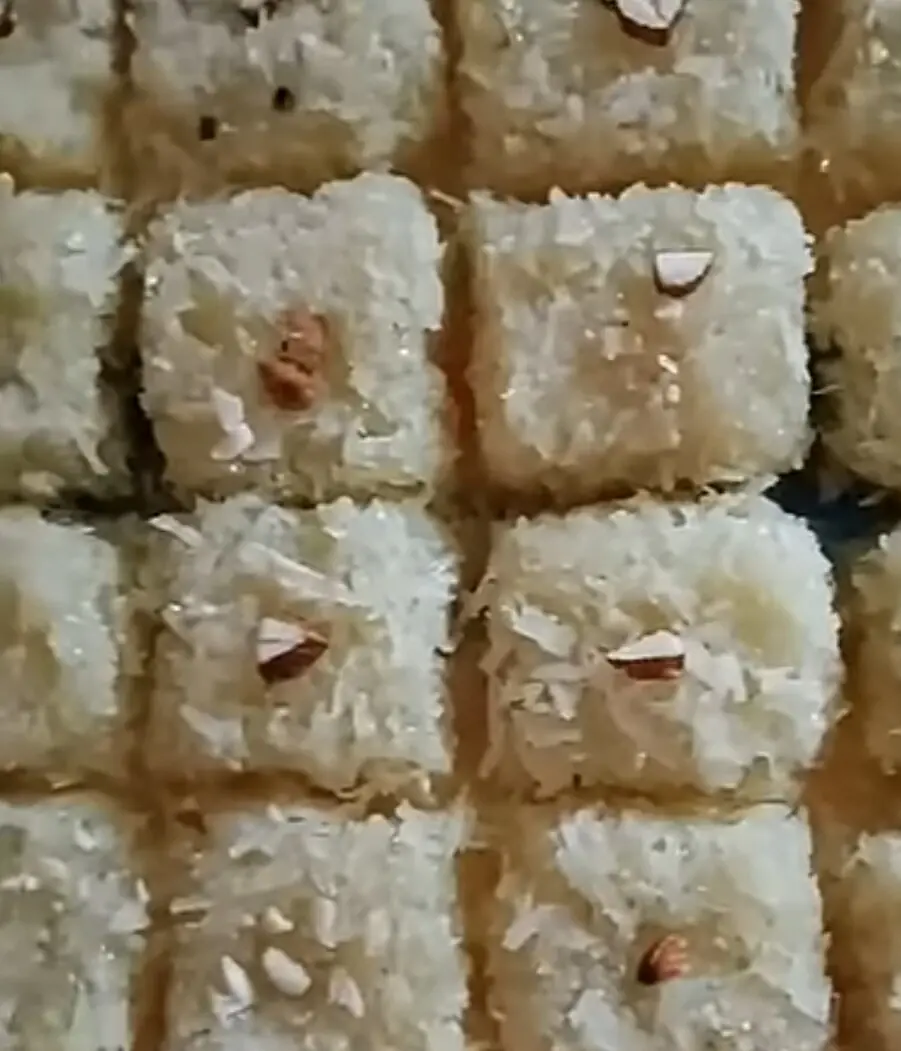
Being inspired by our cardinal’s childhood memories of sweetmeats made by his mother using grated coconut as the main ingredient, I tried my hand at preparing the following treat.
Coconut barfi
Pour four cups of grated coconut in a pan with a teaspoon of ghee or oil. Fry over medium heat for two minutes before adding three cups of sugar. Mix well till the sugar dissolves. Stir till the mixture thickens. It should take 10 to 15 minutes. Add half a teaspoon of cardamom powder to give it another stir. Then, transfer to a tray and spread evenly. Let it cool before cutting it into small square pieces.
Originally published in Dawn, EOS, December 21st, 2025