




From hot dry noodles to halal hotpot: Eating my way through Wuhan
The biggest challenges a Pakistani traveller faces after landing in China are (a) language and (b) food — and interestingly, both are interconnected. Although I had downloaded a translation app for some relief, I still found myself in a pickle. Wuhan, the capital of Hubei province and a landlocked region of over 11 million people, is also known as “the city of rivers and lakes.” It is due to this very factor that Hubei cuisine is dominated by aquaculture products, mainly lotus root, crayfish, tofu, mussels, clams and crabs.
I had already shortlisted halal eateries as my primary go-to spots, with filet-o-fish and cheese pizza as backup during this four-day tour.
On my very first day, I was excited to experience my first-ever ride in a driverless cab. While it was exceptional in its own right, the journey felt rather monotonous.
Soon after, I bumped into a local tour guide — a meeting that felt like a good omen. Mr Choo, as he liked to be called, spoke English — not good, not bad, but English nonetheless. “If you are a food vlogger, then you should know that in Wuhan, people enjoy breakfast items the most, not lunch or dinner,” he told me. My luck began to shine, and I soon found myself in possession of a prized what-to-eat list to help me tick boxes for the rest of my stay.
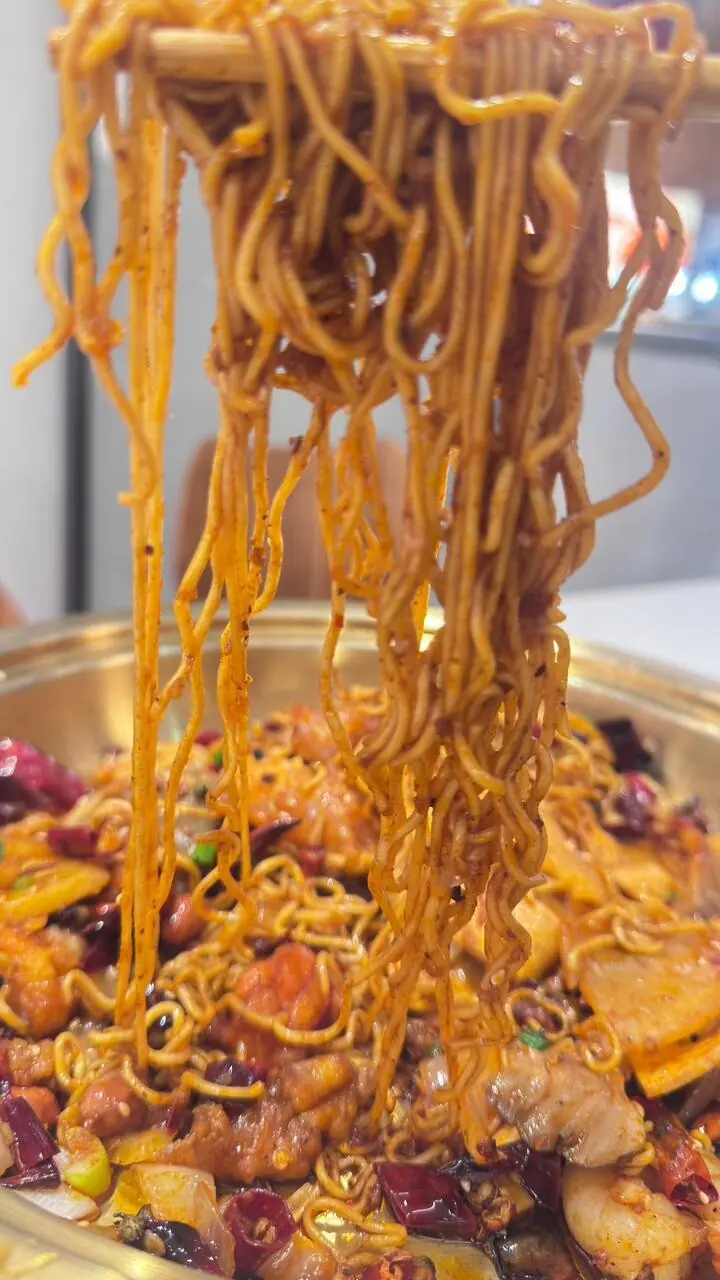
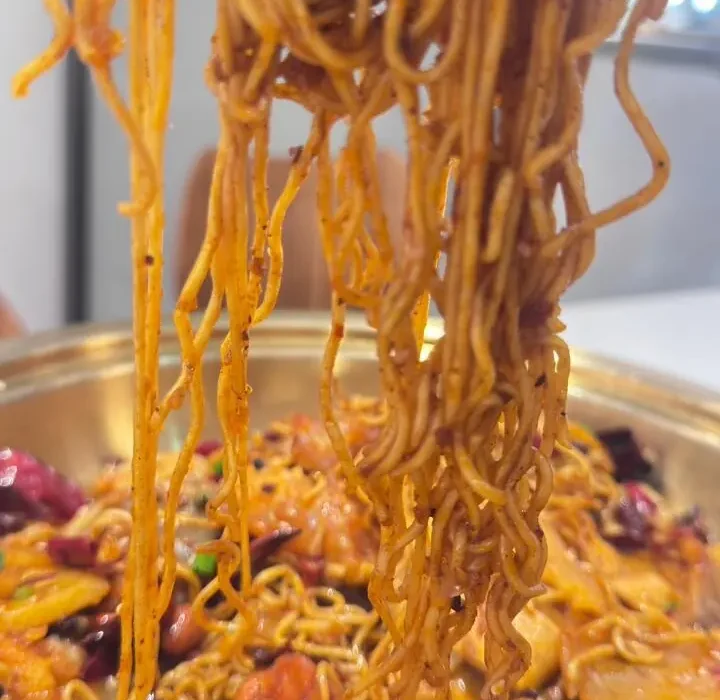
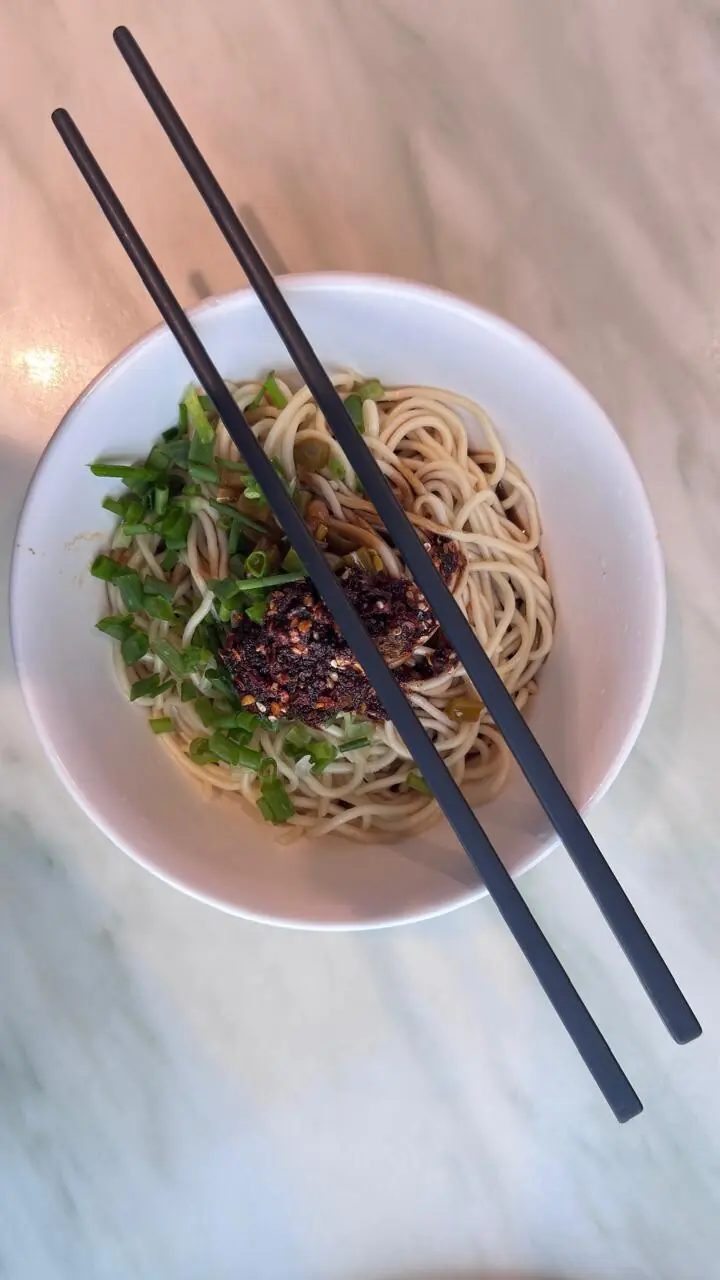
Wuhan hot dry noodles topped the list. The best part? The order was placed entirely through sign language, since the kiosk served only this one dish. Once my order was placed, the server sprang into action. The noodles were dropped into a small strainer, dunked into boiling water or broth for a few seconds, and transferred into a bowl. She then gestured towards a counter laden with condiments. I zeroed in on soy sauce, pickled vegetables, chilli oil, coriander, garlic cloves and spring onions, grabbed a pair of chopsticks, and headed to the table.
The first bite said it all. Kneaded in alkaline flour, the noodles were coated in a thick, savoury sesame paste sauce. The texture was springy yet pleasantly chewy. These yellowish noodles — often used for ramen — carry a distinct flavour thanks to the wheat dough. With a spoonful of chilli oil, a fistful of spring onions and a handful of vegetables, I managed to give the dish a subtle Pakistani touch.
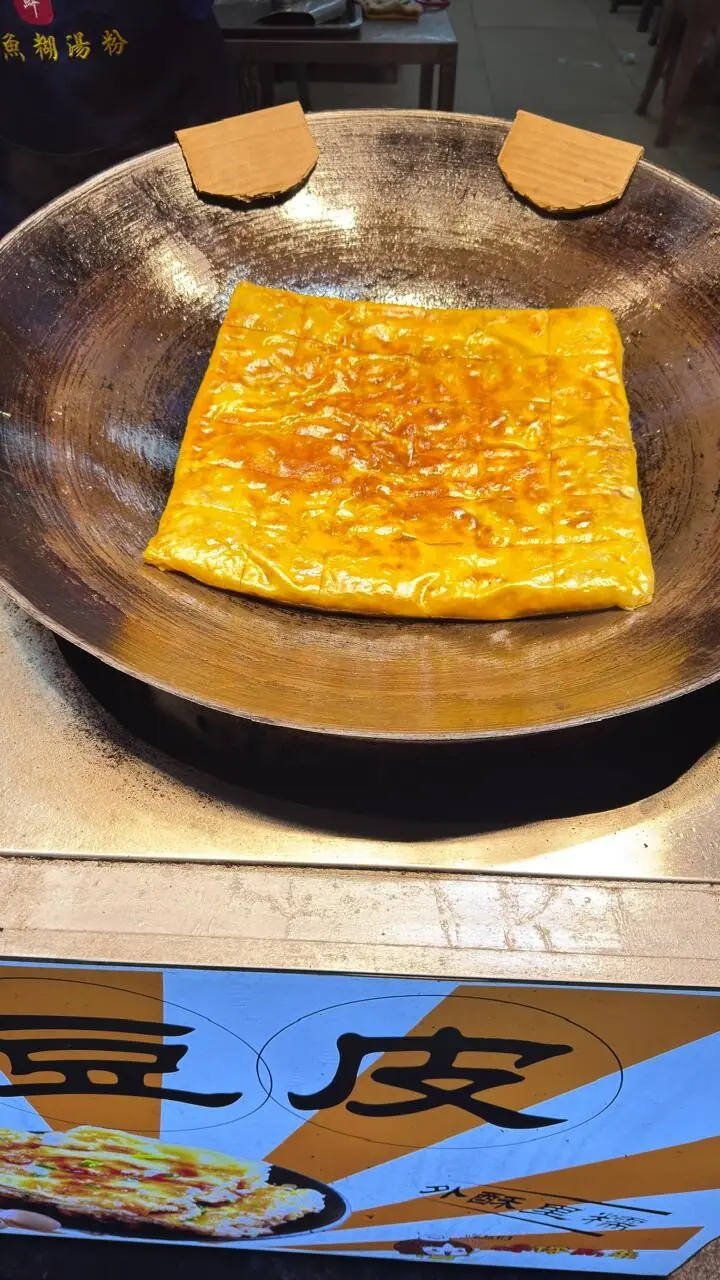
Second on the breakfast list was a street food dish called doupi — essentially a savoury pancake. Made with sticky rice, diced mushrooms, pickled vegetables, thinly sliced bamboo shoots and meat, it is a Wuhan staple. My translator app came in handy as I explained to the vendor that I wanted only shrimp, just to be safe. After nodding umpteen times, he poured the rice crepe batter into the wok, spread it evenly, layered it with sticky rice and stir-fried ingredients sautéed in soy sauce, chilli powder and garlic. Once assembled, he folded the crepe into a rectangle, pan-fried it until golden brown and cut it into bite-sized portions.
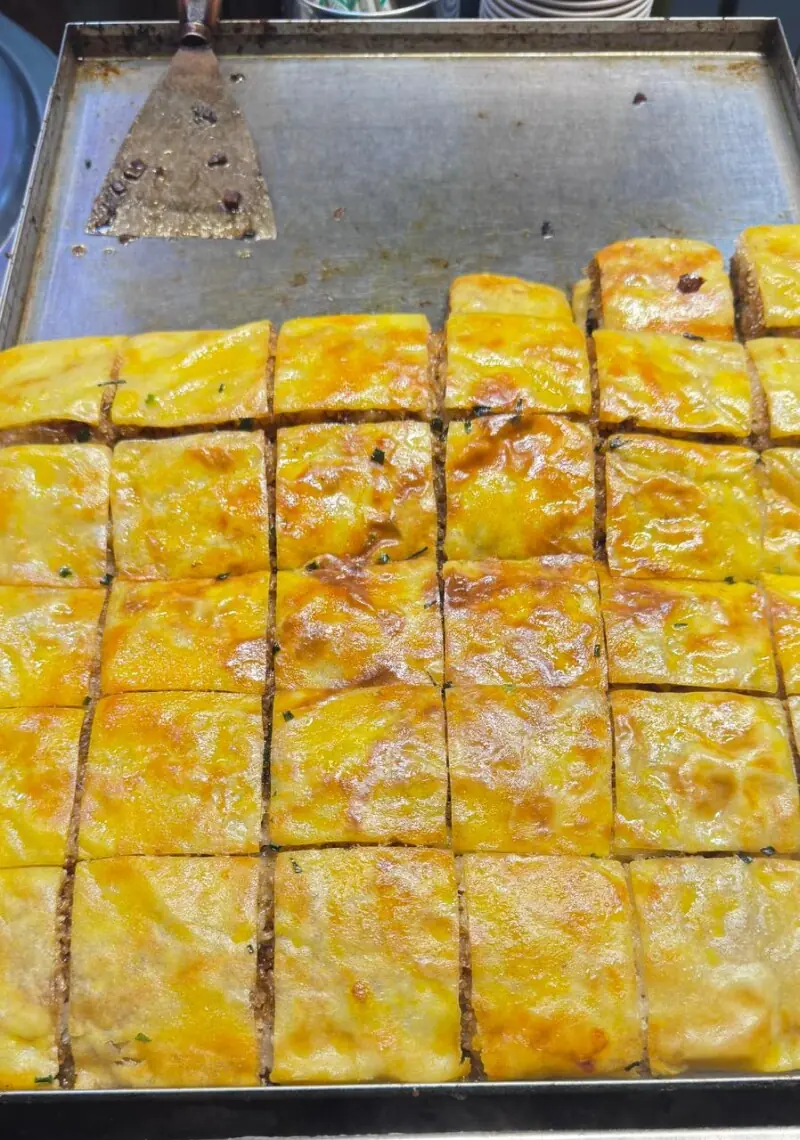
I garnished it with black sesame seeds and chopped spring onions. The outer skin was crispy and golden, while the inside remained soft and chewy because of the rice filling. It was a perfect amalgamation of sweet and sour notes playing across both layers of the dish. Mushrooms added earthy umami depth, while seasoned Sichuan pickles delivered a tangy, salty and spicy kick. Overall, it was a flavour bomb — onions, chilli flakes and shrimp overtaking the palate and lingering long after.
It seems the Chinese, being workaholics, do not have the luxury of eating in a relaxed environment. Whether at a restaurant, kiosk or food stand, everyone is in a hurry, with almost every second person holding something to eat as they move towards their destination. What surprised me most was seeing barbecue skewers being eaten on the go.
Wuhanese love barbecue, which comes in two options: mini skewers or extra-large ones. Even without knowing the language, it was easy to identify frog, duck, beef, lamb, pork and octopus. Unfortunately, since most vendors used the same grill for all meats, even the seafood barbecue was off-limits for me. Still, it was fascinating to watch hungry locals devouring combo skewers of unimaginable size.
Another famous food street in Wuhan is Hube Alley, known for snacks and takeaway food. As I entered this food mecca, it felt like a cornucopia for food aficionados. From above, one could see a rich tapestry of stalls showcasing Wuhan’s traditional culinary scene — mostly small bites and fast food.
My first stop was a spicy fried potato stall. Baby potatoes lie half-boiled or steamed in a split pan. The server picked eight mini potatoes, brutally pressed them flat with her hand, and stir-fried them until golden brown. Into the pan went chilli oil, soy sauce, Chinese vinegar and a mix of secret spices — cumin being the only one I could recognise. As I stepped forward to collect my order, she garnished it with red onions, chopped garlic, scallions and coriander.
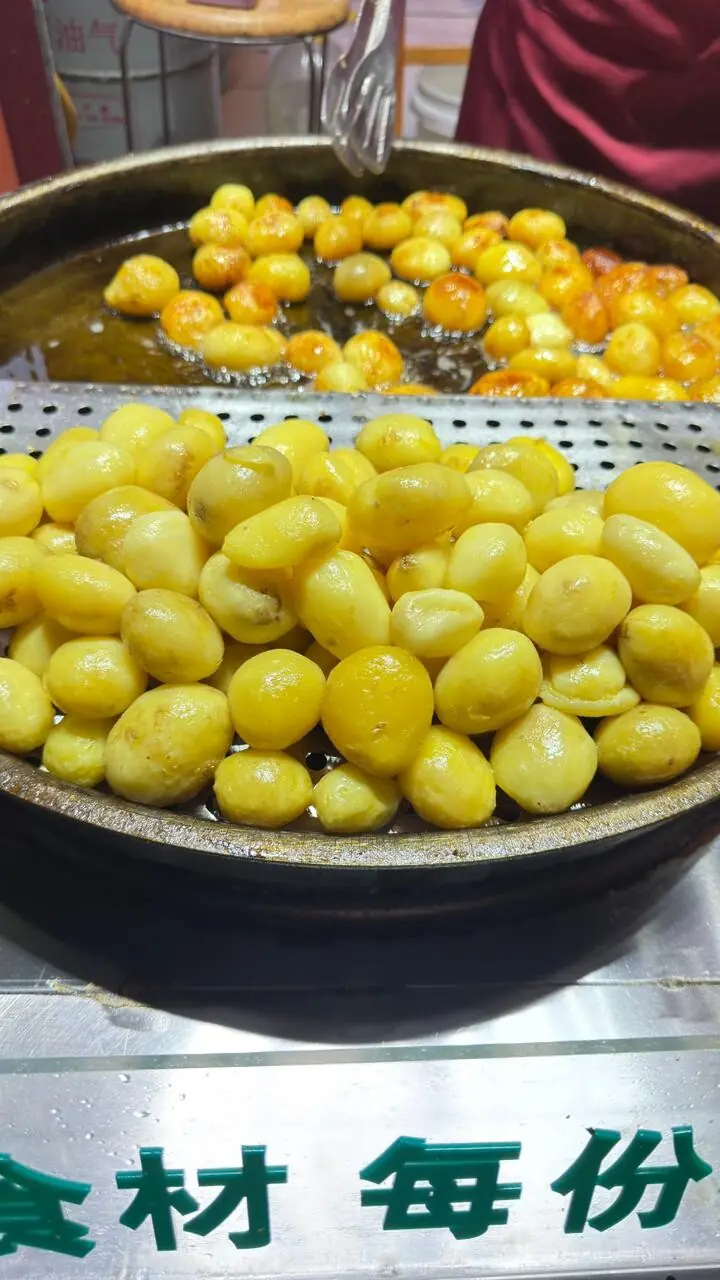
Done and dusted, the potatoes were divine. The marriage between the spices and the potatoes was a resounding success. Aromas filled the air, and my palate was grateful for the royal treatment.
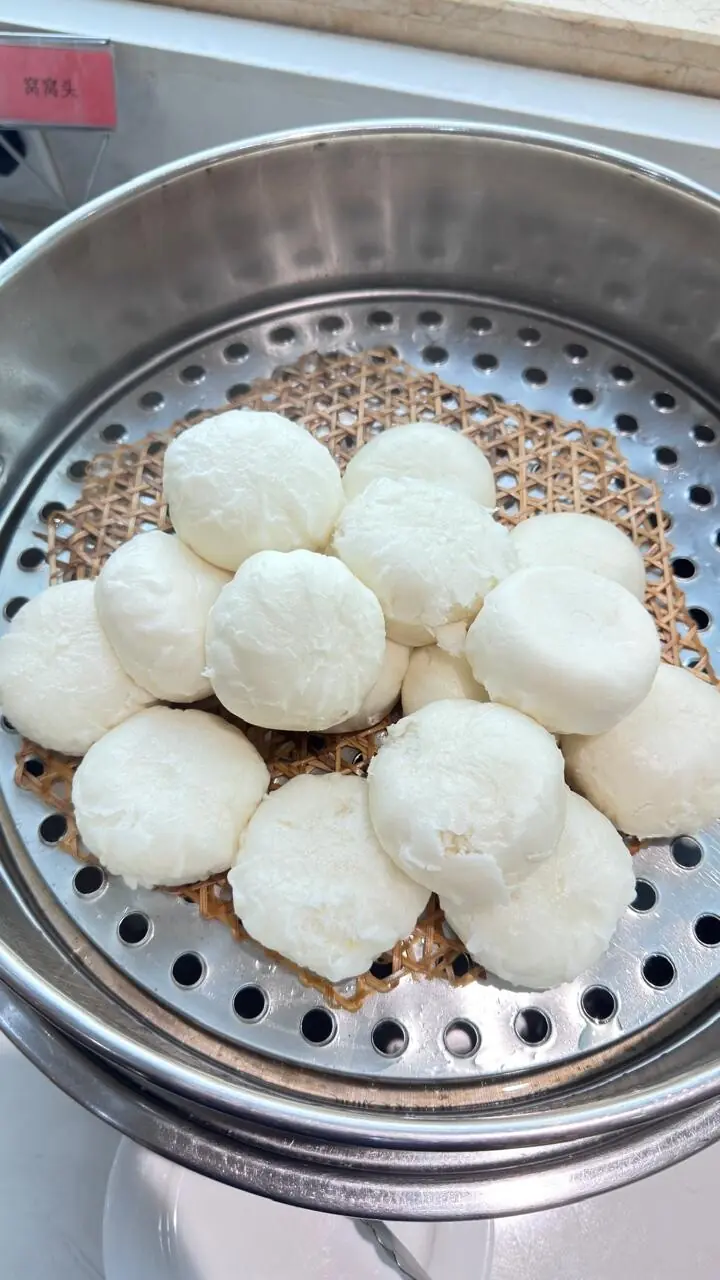
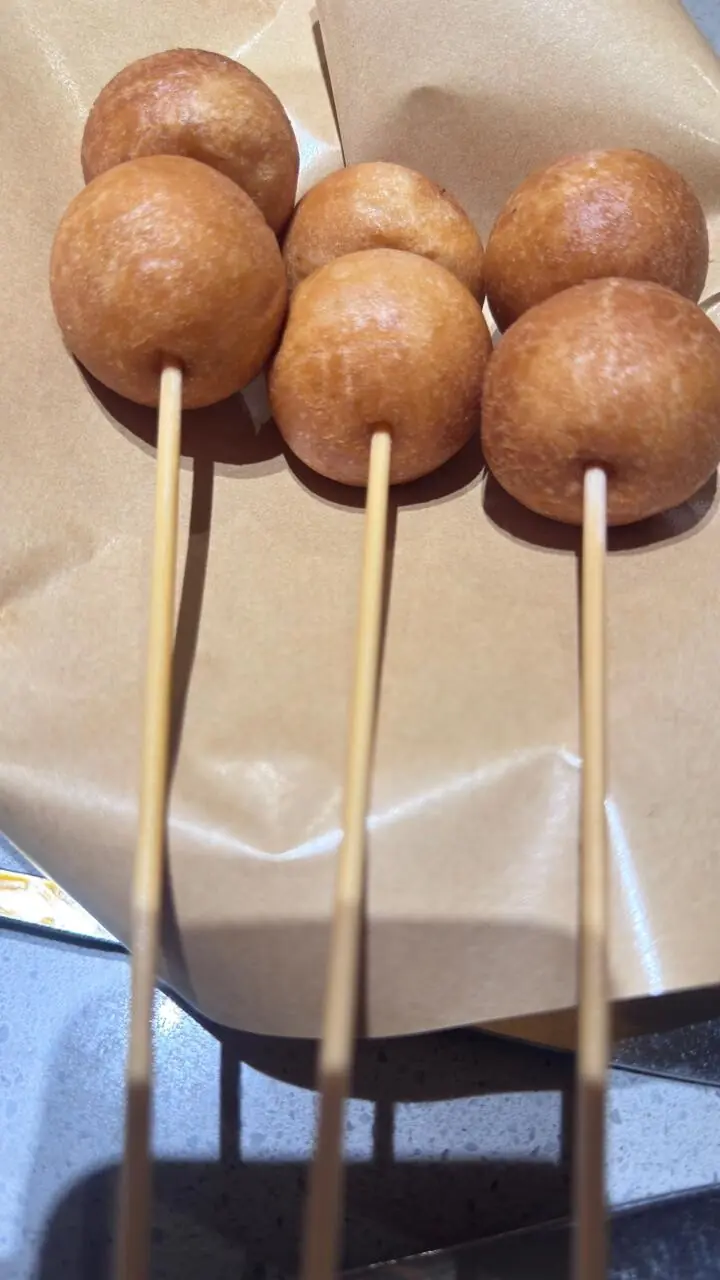
There was no doubt left that the Chinese love garnishing their food — no wonder every stall has a condiment bar on the side. Moving ahead, I grew curious about the famous glutinous rice balls I had seen people eating over the past two days. I asked for one, only to be told that a serving consisted of five. While they may appeal to those with a sweet tooth, I found them overly sticky and heavy — not for everyone.
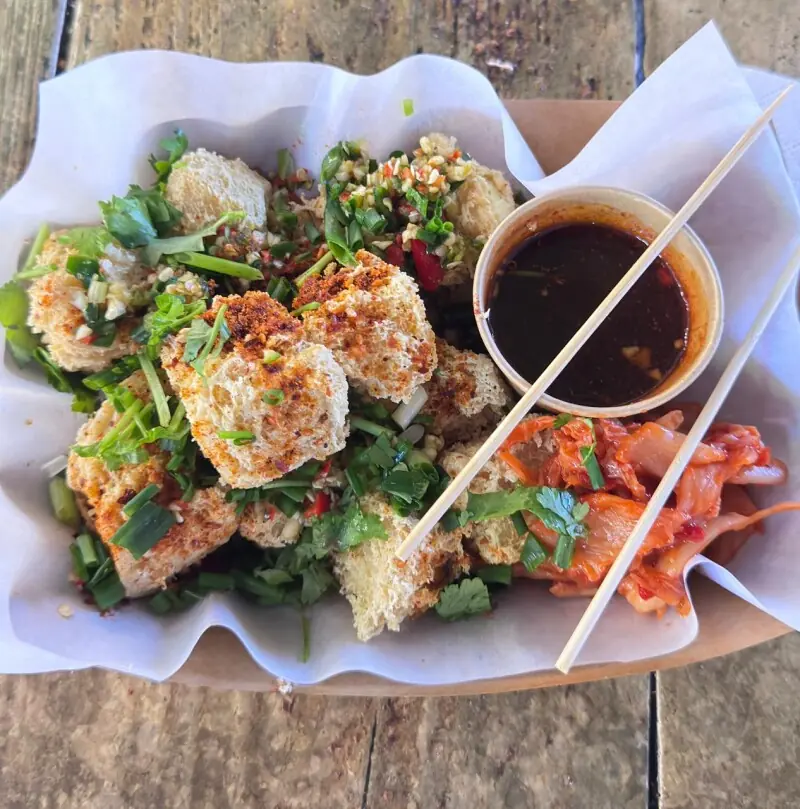
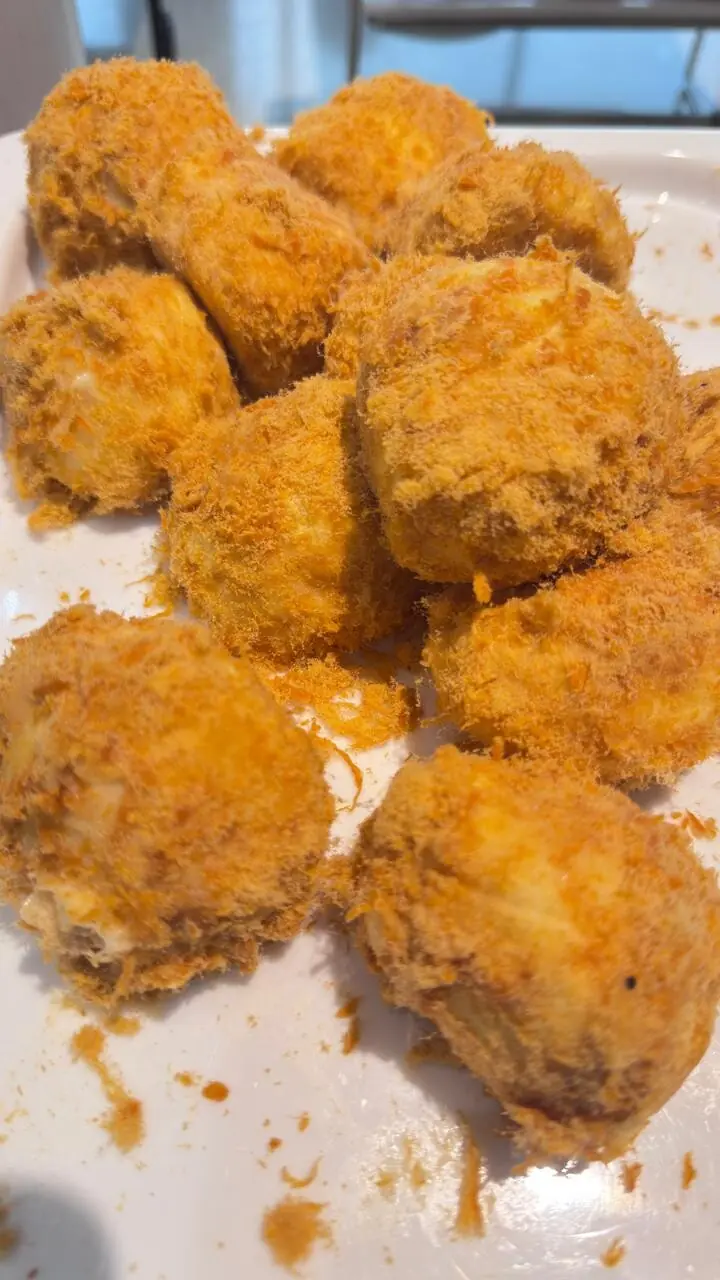
Spotting a long queue on one of Wuhan’s pedestrian streets, I followed it out of curiosity. A small kiosk was selling what could best be described as tofu puffs. Fresh tofu cubes, coated in batter, were deep-fried in a wok. I ordered 10 puffs for 20 RMB (approximately Rs800). Once drained, the vendor transferred them onto a paper plate. While condiments sat nearby, the real star was the accompanying hot sauce, which elevated the tofu’s flavour.
My chopstick skills were put to the test as I dipped each puff into the sauce and carefully transferred it to my mouth. Light, airy and piping hot, the tofu puffs carried a clean tofu flavour, with the sauce adding a much-needed zing — a perfect evening snack.
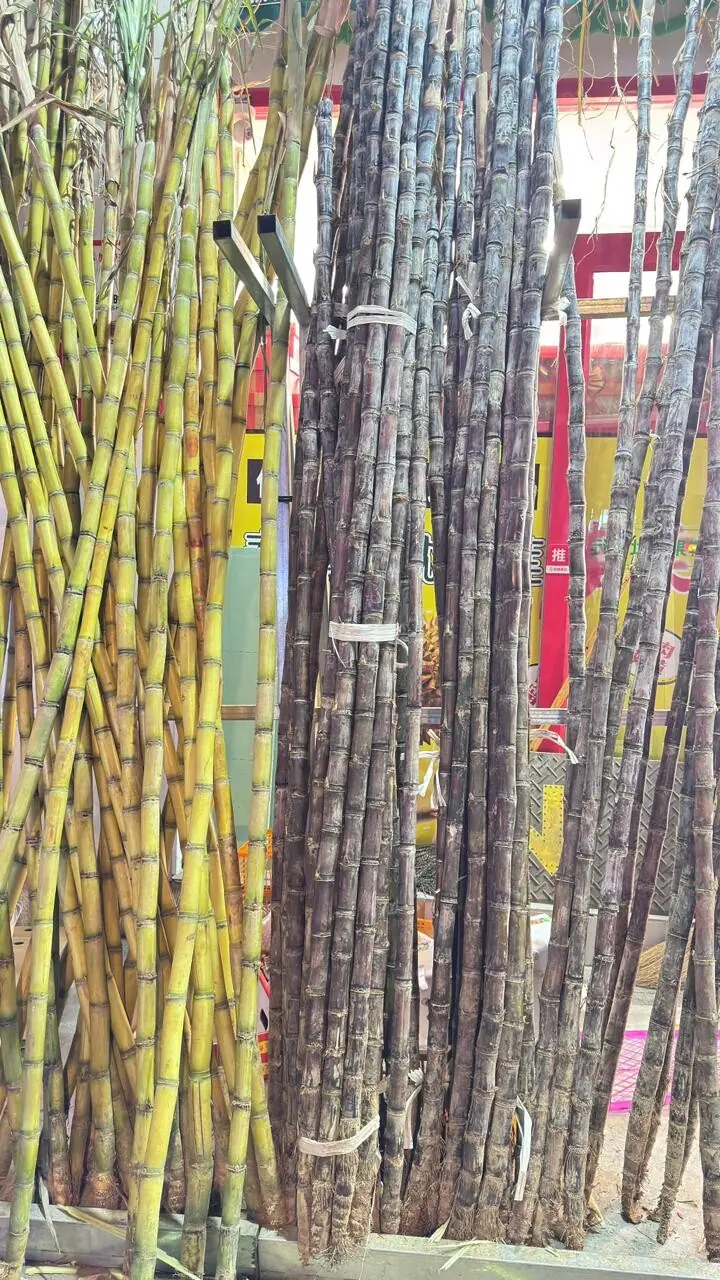
While strolling through the city centre, I noticed sugarcane sticks being sold openly in markets. Piled high, locals picked their stalks as if choosing toys. Once selected, the cane was peeled and cut into small pieces using a hand-operated machine.
By day three, I realised that authentic Wuhan hotpot was still missing from my list. A Muslim eatery serving hotpot was located in a chic neighbourhood influenced by European architecture — Spanish, Italian, German and French styles blending seamlessly. As we were seated, we were treated to a noodle-pulling performance by one of the attendants — a traditional culinary art form in China. The noodle master put on a captivating show of spins and twirls, adding a theatrical dimension to the meal.
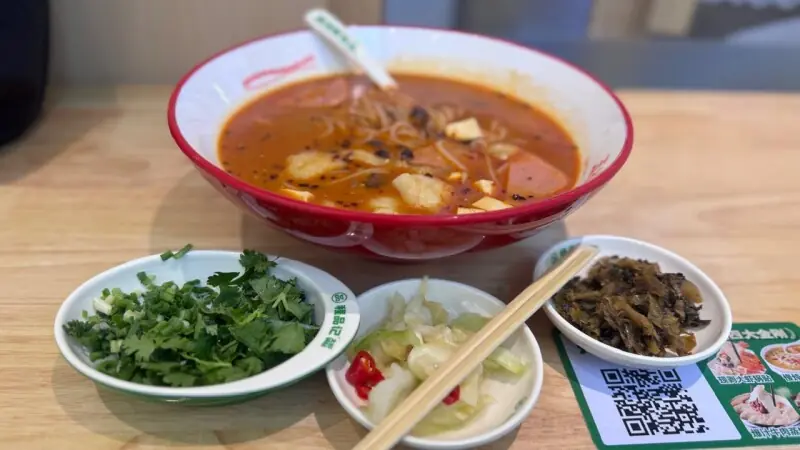
The first decision in hotpot dining is choosing the broth: spicy or non-spicy. We opted for half and half. The menu was extensive, and being halal, the group went berserk — lamb, beef, fish, shrimp, chicken, duck, mussels and more on one side, balanced by mushrooms, spinach, radish, potatoes, lotus root and tofu on the other. The dipping sauce bar was equally impressive.
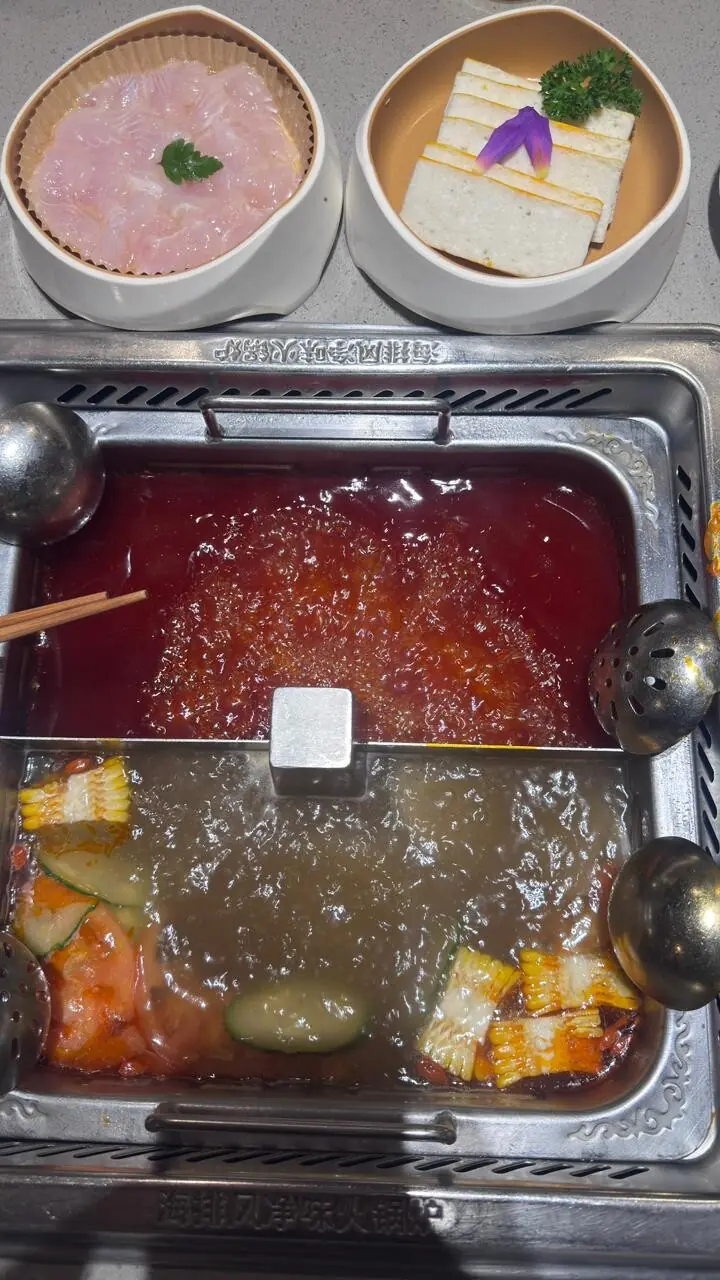
Then came the magic. A 10-second dip in the bubbling broth beneath the table and voilà! Corn softened, beef ready to roll. Large ladles came in handy to scoop out ingredients caught in the swirling broth. The taste was heavenly; the experience, thoroughly satisfying. While I mostly favoured the spicy broth, I occasionally strayed into the non-spicy side for relief. It felt like manna from heaven.
As mentioned earlier, Wuhanese eat lotus root year-round, in every imaginable form — soups, slices, stuffed with meat or deep-fried. One stall selling lotus root snacks resembled the dry fruit shops of Islamabad’s markets. Heaps of fry-sized lotus root sticks in varying shapes and shades were piled high. The lighter, orangish ones tasted like bland Kurkure, while the darker, more complex pieces carried a subtle sweetness.
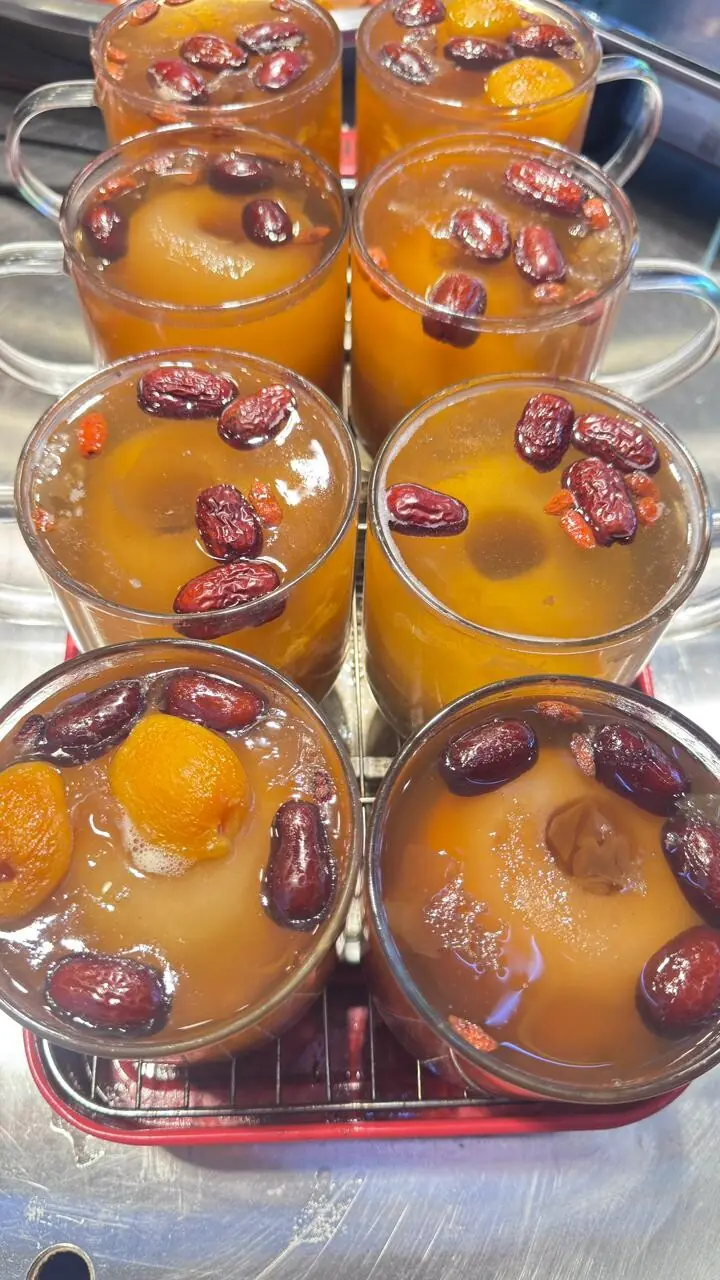
The trip officially came to an end on my last night in Wuhan, when I tried their traditional winter dessert soup, Weilitang (simmered pear soup). Made with pear, snow fungus, red dates and sugar, the soup is believed to help prevent colds and flu. Served hot, it tasted mildly sweet and fruity, with a soothing, herbal aroma. The pear was cooked until mushy yet juicy, while the broth carried citrus notes and a faint bitter-almond aftertaste.
A word of caution to fellow foodies: this soup is an acquired taste — no whining allowed. The onus is on you to try it. That said, it was a novel and memorable experience.