




Espresso is celebrating International Day of Persons with Disabilities with a sweet sign-language surprise
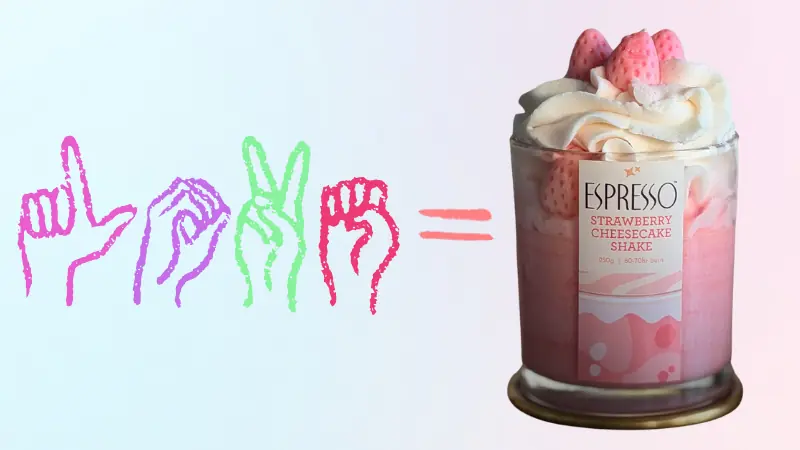
Popular café chain Espresso is marking the International Day of Persons with Disabilities in the most wholesome way — by encouraging customers to order using sign language and rewarding them with a complimentary dessert.
In an Instagram post, the brand announced that on December 5, between 12pm and 1am, visitors at its Dolmen Mall Clifton Karachi branch can use sign language to place their order and receive a free dessert as “a small way to celebrate inclusion and accessibility”. The initiative is being held in collaboration with disability inclusion organisation NOWPDP.
“Let’s make dining accessible for everyone, one sign at a time!” Espresso wrote, sharing a cheerful graphic detailing the offer. The café added that while the dessert itself is free, the tax on the complimentary item will be borne by customers — a standard practice with promotional items.
Though simple, the gesture stands out in a food landscape where accessibility and inclusivity often receive little attention. Encouraging customers to use sign language, even for a single order, normalises communication modes used by members of the deaf community.
NOWPDP, which works across Pakistan to create opportunities for people with disabilities, frequently collaborates with brands to promote more inclusive public spaces.
Back in 2018, the organisation teamed up with local start-up ConnectHear to make election commentary accessible for deaf viewers. On election day, both organisations broadcast live sign-language interpretation of election updates on their Facebook pages, widening access to a national moment that is typically out of reach for the deaf community.
We also have examples of local brands making the effort to be more inclusive. Last year, Bachaa Party’s festive-collection ad featured children with disabilities, including a boy in a wheelchair and another child with albinism. The campaign was praised for treating the children as part of a friend group, normalising diversity rather than tokenising it.
Another notable initiative was Khaas Foodz organising a dining event for people to experience eating in complete darkness, giving sighted participants a sense of what visually impaired people navigate daily.
These are small gestures with a big message. Sometimes, one signed order and a slice of cake is enough to start a conversation about accessibility that should’ve been happening all along.